Digital Transformation: Enhancing Access to Healthcare in Egypt for All Citizens

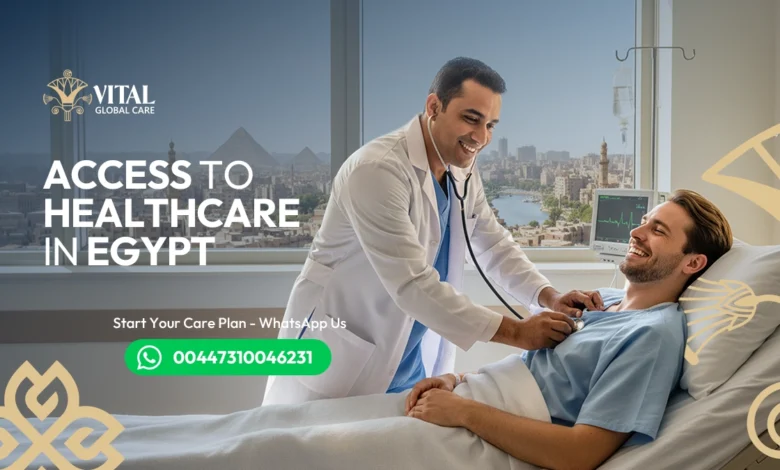
Access to healthcare in Egypt is a topic that touches daily life for millions of people. From crowded public hospitals to private clinics that feel out of reach for many families, the way healthcare is accessed often shapes how and when people seek help.
Geography, income, and awareness all play a role, creating clear differences between urban and rural areas, and between those with insurance and those without. Understanding how the system works, where it supports patients, and where gaps still exist is the first step toward seeing the full picture of access to healthcare in Egypt and why it remains such an important public issue.
access to healthcare in egypt
- Access to healthcare in Egypt varies widely depending on where people live, their income level, and whether they are covered by any form of health insurance.
- Public healthcare facilities remain the main option for a large part of the population, especially in rural areas, but they often face challenges related to overcrowding, limited resources, and long waiting times. This reality can affect how quickly patients receive care and the quality of services provided.
- In urban centers, private hospitals and clinics offer more advanced services and shorter wait times, yet their higher costs place them beyond the reach of many families.
- This creates a clear gap between those who can afford private care and those who rely on public services. Health insurance initiatives have expanded in recent years, aiming to reduce out-of-pocket expenses, but awareness and enrollment are still uneven.
- Geographic differences also play a role. People living in remote or underserved areas may need to travel long distances to access specialized care, which adds financial and physical strain.
- All these factors together shape access to healthcare in Egypt, making it an issue closely tied to social equity, economic conditions, and ongoing health system reforms.
Public healthcare in Egypt
- Public healthcare in Egypt forms the backbone of medical services for a large segment of the population. Government-run hospitals, clinics, and primary care units provide low-cost or subsidized services, making them the first option for many individuals, especially those with limited income. These facilities are spread across cities and villages, aiming to offer basic care, emergency services, and preventive programs.
- Despite their wide reach, public healthcare facilities often face pressure from high patient volumes. Overcrowding, long waiting times, and limited availability of specialized services are common challenges. Medical staff frequently work under demanding conditions, which can affect both service delivery and patient experience.
- At the same time, public healthcare plays a crucial role in vaccinations, maternal and child health services, and the management of widespread health needs. Ongoing efforts focus on improving infrastructure, expanding insurance coverage, and strengthening primary care, as public healthcare in Egypt remains central to achieving more equitable access to medical services.
Read:
Private healthcare in Egypt
Private healthcare in Egypt is known for offering quicker access and a higher level of comfort compared to public services. It plays a complementary role within the healthcare system, especially in urban areas.
Key features of private healthcare
- Shorter waiting times and more flexible appointment scheduling
- Better access to advanced diagnostic tools and specialized care
- Generally more personalized patient experience
Cost and accessibility
- Services are significantly more expensive than public healthcare
- Out-of-pocket payments are common without strong insurance coverage
- Mostly accessible to higher-income groups or used selectively for specific needs
Role in the healthcare system
- Helps reduce pressure on overcrowded public hospitals
- Encourages competition that can improve service quality
- Highlights inequality between those who can afford private care and those who cannot
Overall, private healthcare in Egypt offers efficiency and comfort, but cost remains the main factor limiting equal access for the wider population.
Also read:
Pharmacies and medication in Egypt
Pharmacies and medication in Egypt are a central part of everyday healthcare, often serving as the first point of contact for people seeking treatment. Pharmacies are widely available across cities, towns, and even small villages, making them one of the most accessible healthcare services in the country.
Availability and access
- Pharmacies are widespread and usually easy to reach
- Many operate long hours, with some open 24/7 in urban areas
- Essential medicines are generally available, especially for common conditions
Role of pharmacists
- Pharmacists often provide basic guidance on medication use
- They are commonly consulted for minor health complaints
- This role becomes more important where access to doctors is limited
Medication costs
- Prices are regulated for many locally produced medicines
- Imported or specialized drugs can be significantly more expensive
- Cost differences influence whether patients choose brand-name or generic options
Common challenges
- Occasional shortages of certain medications
- Variations in availability between urban and rural areas
- Reliance on pharmacies for advice when medical consultation is delayed
Overall, pharmacies in Egypt play a vital role in healthcare access, bridging gaps between patients and formal medical services while highlighting the need for consistent medication availability and clear patient guidance.
Related:
Travel and mental health
Travel and mental health are closely connected, as changes in environment and routine can influence emotional well-being in different ways. For many people, travel offers relief from daily stress, while for others it can introduce new pressures that need to be managed thoughtfully.
Positive effects of travel on mental health
- A break from routine can reduce stress and mental fatigue
- New environments may improve mood and motivation
- Time away encourages reflection and emotional reset
- Social experiences during travel can reduce feelings of isolation
Common mental health challenges while traveling
- Anxiety related to planning, flying, or unfamiliar places
- Disruption of sleep patterns and daily habits
- Feelings of loneliness, especially during solo travel
- Sensory overload in crowded or fast-paced destinations
Supporting mental well-being during travel
- Maintaining basic routines like sleep and meals
- Allowing flexible schedules instead of packed itineraries
- Taking quiet breaks to rest and recharge
- Staying connected with trusted people when needed
Overall, travel can support mental health when approached with balance and realistic expectations. Being mindful of personal limits helps turn travel into a positive and emotionally healthy experience.
Does Egypt Have Universal Healthcare?
- Egypt does not have fully universal healthcare in the strict sense, but it does have a public health system that aims to cover the majority of the population. Healthcare access is provided through a mix of government services, health insurance schemes, and private care, which means coverage and quality can vary from one person to another.
- The public system offers subsidized or low-cost services through government hospitals and clinics. These facilities are widely used, especially by low- and middle-income groups, but they often face challenges such as overcrowding and limited resources. As a result, access exists, but it is not always timely or comprehensive.
- Health insurance coverage has expanded over time, with efforts to include more citizens under organized insurance programs. However, not everyone is enrolled, and some services may still require out-of-pocket payments. Because of this, many people rely on a combination of public services, private clinics, and pharmacies to meet their healthcare needs.
- In short, Egypt provides broad access to healthcare, but it has not yet reached a level where all residents receive the same level of coverage and services regardless of income or location.
The Cost of Healthcare in Egypt
The cost of healthcare in Egypt depends largely on the type of service used and whether care is received through the public or private sector. While basic healthcare can be affordable, many people still face financial strain when seeking consistent or specialized treatment.
Public healthcare costs
Public hospitals and clinics offer low-cost or subsidized services. Consultation fees and basic treatments are usually affordable, making public care the main option for low- and middle-income groups. However, patients may still pay out of pocket for certain tests, medications, or procedures not fully covered.
Private healthcare costs
Private hospitals and clinics are significantly more expensive. Fees for consultations, diagnostics, and procedures can add up quickly, especially without insurance. For this reason, private care is often used selectively or by higher-income individuals who can manage the cost.
Medication expenses
Many essential medicines are price-regulated, which helps keep common treatments affordable. Still, imported drugs or less common medications can be costly, and shortages may force patients to buy higher-priced alternatives.
Out-of-pocket spending
A large share of healthcare costs is paid directly by patients. This includes clinic visits, medications, and diagnostic tests, particularly for those without comprehensive insurance coverage.
Overall, healthcare in Egypt can be affordable at a basic level, but costs rise noticeably with private care, specialized services, or long-term treatment, making affordability a continuing concern for many households.
FAQ
Is healthcare free in Egypt?
Healthcare in Egypt is not completely free. Public services are subsidized, which keeps costs low, but patients usually pay small fees for consultations, tests, or medications.
Can foreigners access healthcare in Egypt?
Yes, foreigners can access healthcare in Egypt. Most choose private hospitals and clinics, where services are paid for out of pocket or through private health insurance.
Is public healthcare in Egypt reliable?
Public healthcare provides essential and emergency services to a large portion of the population. However, reliability can vary due to overcrowding, limited resources, and long waiting times.
Do people in Egypt need health insurance?
Health insurance is not mandatory for everyone, but it helps reduce healthcare costs. Without insurance, many people rely on direct payments, especially for private care.
Are medications easy to get in Egypt?
Medications are generally easy to obtain because pharmacies are widespread. Some medicines require prescriptions, and certain drugs may face temporary shortages.
Is private healthcare better than public healthcare in Egypt?
Private healthcare often offers faster service, better facilities, and more specialized care. The main drawback is higher cost, which limits access for many people.
Conclusion
Access to healthcare in egypt reflects both progress and ongoing challenges within the health system. Public services provide broad coverage and affordability, while private care offers speed and comfort at a higher cost.
Pharmacies play a key role in day-to-day care, often bridging gaps when medical services are harder to reach. Together, these elements show a system that meets basic needs for many people but still faces issues related to equity, cost, and quality.
Improving access to healthcare in egypt remains closely tied to expanding insurance coverage, strengthening public facilities, and ensuring that quality care is within reach for everyone, regardless of income or location.