Where Are the Incisions Made for a Facelift? A Surgeon’s Guide to Hidden Scars

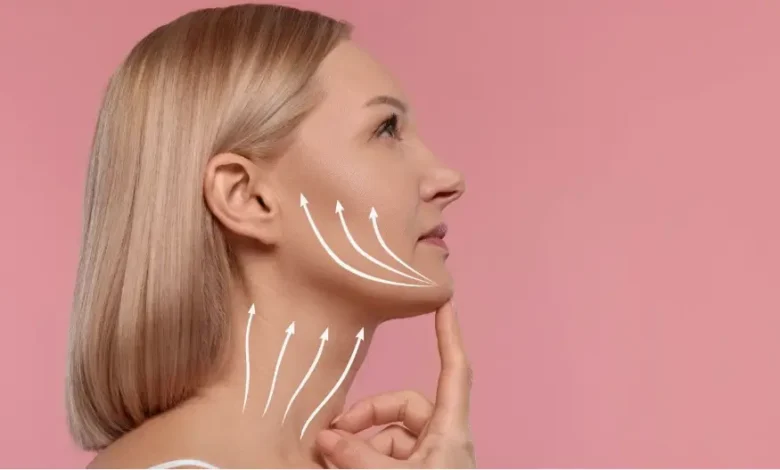
If you’re researching facial rejuvenation, one of the most common questions is: where are the incisions made for a facelift? Understanding incision placement is key to knowing what to expect from the procedure, how visible any scars may be, and how natural your results can look. Modern facelift techniques are designed to keep incisions as discreet as possible while allowing surgeons to lift and tighten the underlying tissues effectively.
What Is a Facelift?
A facelift, medically known as a rhytidectomy, is a cosmetic surgical procedure designed to reduce visible signs of aging in the face and neck. When exploring where are the incisions made for a facelift, it’s helpful to first understand what the procedure actually involves and what it aims to achieve.
What Does a Facelift Do?
A facelift focuses on lifting and repositioning the deeper layers of the face, removing excess skin, and tightening underlying tissues. This helps to:
- Smooth deep wrinkles and folds
- Lift sagging cheeks
- Define the jawline
- Reduce jowls
- Improve overall facial contour
The goal is not to change your appearance completely, but to restore a more youthful, refreshed version of yourself.
Different Types of Facelifts
There are several types of facelift procedures, and the incision placement can vary depending on the technique:
- Traditional facelift: Targets the lower face and neck with more comprehensive lifting
- Mini facelift: Focuses on mild sagging with smaller incisions
- Neck lift: Often combined with a facelift to address loose skin under the chin
Understanding these variations helps explain where are the incisions made for a facelift and why placement differs from one procedure to another.
Who Is a Good Candidate?
Ideal candidates are individuals experiencing visible signs of aging such as sagging skin, deep folds, or loss of facial definition—but who still have good skin elasticity and overall health.
A Natural-Looking Approach
Modern facelift techniques prioritize subtle, natural-looking results. Skilled surgeons carefully plan incision placement so scars are well-hidden, which is a key consideration when patients ask where are the incisions made for a facelift.
Does an Incision Have to be Placed in Front of the Ear?
When asking where are the incisions made for a facelift, one of the most common concerns is whether a visible incision must be placed in front of the ear. The answer is: in many cases, yes—but modern techniques are designed to keep it as discreet as possible.
Why Incisions Are Often Placed Near the Ear
The area around the ear provides the most effective access for lifting and repositioning facial tissues. An incision placed just in front of the ear allows the surgeon to:
- Lift sagging cheeks and jawline
- Tighten underlying muscles (SMAS layer)
- Remove excess skin with precision
This location also follows natural contours, making it easier to conceal any scarring.
How Surgeons Keep It Hidden
Experienced surgeons carefully place incisions:
- Along the natural crease in front of the ear (preauricular fold)
- Around the earlobe
- Behind the ear, extending into the hairline if needed
These strategic placements help ensure scars are minimally visible once healed.
Are There Alternatives?
In some cases—such as a mini facelift—incisions may be shorter and more limited, but they are still typically located around the ear area. Completely avoiding this region is uncommon because it would limit the effectiveness of the lift.
What About Scar Visibility?
With proper technique and healing, facelift scars usually fade significantly over time. Most patients find that scars are barely noticeable, especially when placed within natural skin folds.
The Bottom Line
While an incision in front of the ear is often part of answering where are the incisions made for a facelift, it’s carefully designed to be as subtle and well-hidden as possible—allowing for both effective results and natural-looking outcomes.
Read:
Where Are the Incisions Made for a Facelift?
If you’re considering facial rejuvenation, a key question is: where are the incisions made for a facelift? The placement of incisions depends on the type of facelift, your facial anatomy, and the results you want—but in all cases, surgeons aim to keep them as discreet and well-hidden as possible.
Standard Incision Placement
In a traditional facelift, incisions are typically made:
- Along the hairline at the temples
- Around the front of the ear (preauricular area)
- Around or just behind the earlobe
- Behind the ear, extending into the lower scalp
This pattern allows the surgeon to lift and reposition deeper tissues while removing excess skin, all while hiding scars within natural creases and hair-bearing areas.
Mini Facelift Incisions
For patients with mild to moderate sagging, a mini facelift uses shorter incisions, usually limited to:
- The area around the ear
- Possibly a small extension into the hairline
These incisions are less extensive but still strategically placed for subtle lifting.
Neck Lift Incisions
When a neck lift is included, additional incisions may be made:
- Under the chin (a small, well-hidden incision)
- Behind the ears
This helps tighten neck muscles and remove excess skin for a smoother profile.
How Surgeons Minimize Visible Scarring
Modern facelift techniques focus on concealment. Incisions are carefully placed:
- Within natural skin folds
- Along the hairline
- Behind the ears
Over time, these scars typically fade and become difficult to notice.
Why Incision Placement Matters
Understanding where are the incisions made for a facelift helps set realistic expectations about both the procedure and recovery. Proper placement ensures effective lifting while maintaining a natural appearance without obvious signs of surgery.
Who is the target audience?
Understanding where are the incisions made for a facelift is especially important for people who are seriously considering facial rejuvenation. The target audience for this procedure typically includes individuals who want to address visible signs of aging while maintaining a natural look.
Adults Experiencing Visible Signs of Aging
Most facelift patients are men and women aged 40 to 70+ who notice:
- Sagging skin around the cheeks and jawline
- Deep lines or folds (such as nasolabial folds)
- Jowls or loss of facial definition
- Loose skin in the neck area
These individuals are often looking for long-lasting solutions rather than temporary fixes.
People Seeking Natural, Long-Term Results
The ideal audience is not looking for a dramatic change, but rather a refreshed and more youthful version of themselves. They are typically interested in understanding details like where are the incisions made for a facelift to ensure results look subtle and scars remain discreet.
Patients Who Have Tried Non-Surgical Treatments
Many facelift candidates have previously tried treatments such as fillers, Botox, or skin tightening procedures but are now seeking more permanent and noticeable results.
Individuals in Good Overall Health
Suitable candidates are generally:
- In good physical health
- Non-smokers (or willing to stop before and after surgery)
- Realistic about outcomes
These factors contribute to safer surgery and better healing.
Men and Women Alike
Facelifts are increasingly popular among both women and men, with techniques tailored to preserve natural masculine or feminine features.
Those Concerned About Scarring and Recovery
People researching where are the incisions made for a facelift are often particularly concerned about scar visibility, downtime, and how the procedure fits into their lifestyle—making education a key part of their decision-making process.
Also read:
What kind of facelift scarring can I expect?
When considering where are the incisions made for a facelift, it’s completely natural to wonder what kind of scarring you’ll have afterward. The good news is that modern facelift techniques are specifically designed to keep scars as minimal and discreet as possible.
Where Scars Typically Appear
Facelift scars usually follow the same path as the incisions, which are strategically placed:
- Along the hairline at the temples
- Around the front of the ear
- Around or behind the earlobe
- Behind the ear, sometimes extending into the scalp
Because of this careful placement, scars are often hidden within natural creases or covered by hair.
How Visible Are the Scars?
In most cases, facelift scars are:
- Thin and well-concealed
- Faded over time (typically within several months to a year)
- Difficult to notice once fully healed
Their visibility depends on factors like skin type, healing ability, and the surgeon’s technique.
What Do Scars Look Like During Healing?
- First few weeks: Red or slightly raised
- 1–3 months: Begin to soften and lighten
- 6–12 months: Continue to fade and flatten
Proper aftercare plays a major role in how well scars heal.
How to Minimize Scarring
To achieve the best outcome when considering where are the incisions made for a facelift, follow these tips:
- Choose an experienced, board-certified surgeon
- Follow all post-operative care instructions
- Avoid sun exposure or use SPF on healing areas
- Don’t smoke, as it can impair healing
- Use recommended scar treatments if advised
Are Scars Permanent?
Yes, scars are technically permanent—but in most cases, they become so subtle that they’re barely noticeable. The goal of a well-performed facelift is for others to notice your refreshed appearance, not any signs of surgery.
How Do Surgeons Minimize Scarring?
When patients ask where are the incisions made for a facelift, they’re often equally concerned about how visible the scars will be. The good news is that experienced surgeons use a combination of advanced techniques and careful planning to ensure scars are as minimal and discreet as possible.
Strategic Incision Placement
One of the most important factors is where the incisions are made. Surgeons place them:
- Along the natural hairline
- Within skin creases around the ears
- Behind the ears and into the scalp
This approach helps camouflage scars so they blend naturally with your anatomy.
Tension-Free Closure Techniques
Modern facelift methods focus on lifting deeper tissue layers rather than pulling the skin tightly. This allows the skin to be closed with minimal tension, which:
- Reduces widening of scars
- Promotes smoother healing
- Creates a more natural-looking result
Fine Suturing Methods
Surgeons use precise, layered suturing techniques to align the skin carefully. This helps scars heal as thin, clean lines rather than thick or uneven marks.
Advanced Surgical Techniques
Newer approaches—such as SMAS lifts or deep plane facelifts—focus on repositioning underlying structures instead of relying on skin tightening alone. This not only improves results but also reduces stress on the skin, leading to better scar outcomes.
Post-Operative Care Guidance
Minimizing scars doesn’t end in the operating room. Patients are typically advised to:
- Keep incisions clean and protected
- Avoid sun exposure during healing
- Use silicone gels or sheets if recommended
- Attend follow-up appointments
Individual Healing Factors
Your body also plays a role. Factors like genetics, skin type, age, and lifestyle (especially smoking) can influence how scars form and fade.
The Takeaway
Understanding where are the incisions made for a facelift is only part of the picture—how those incisions are handled is just as important. With the right surgeon and proper aftercare, facelift scars are usually subtle, well-hidden, and fade significantly over time.
Related:
Variation in Techniques: Where Are the Incisions Made for a Mini Facelift?
When exploring where are the incisions made for a facelift, it’s important to understand that a mini facelift uses a less invasive approach with smaller, more limited incisions. This makes it a popular choice for patients with mild to moderate signs of aging who want subtle, natural-looking results.
Typical Incision Placement for a Mini Facelift
In a mini facelift, incisions are usually:
- Made around the front of the ear (following the natural crease)
- Sometimes slightly around or behind the earlobe
- Occasionally extended a short distance into the hairline
Unlike a traditional facelift, these incisions are shorter and do not typically extend far behind the ear or into the scalp.
Why the Incisions Are Smaller
A mini facelift focuses mainly on the lower face—especially the jawline and early jowls. Because the treatment area is more limited, extensive incisions aren’t necessary.
This approach allows for:
- Reduced scarring
- Shorter recovery time
- Less invasive correction
How Visible Are Mini Facelift Scars?
Since incision placement still follows natural contours around the ear, scars are generally:
- Well-hidden within skin folds
- Subtle and thin once healed
- Difficult to notice in everyday interactions
Who Is It Best For?
A mini facelift is ideal for individuals who:
- Have early signs of sagging
- Want a refreshed look without major surgery
- Are concerned about downtime and scarring
Mini vs. Traditional Facelift
While a mini facelift involves fewer and shorter incisions, it also provides more subtle results compared to a full facelift. Understanding this difference helps set realistic expectations when considering where are the incisions made for a facelift and which technique is right for you.
Discretion and Healing: How Visible Are the Marks Where the Incisions Are Made?
A major concern for anyone researching where are the incisions made for a facelift is how noticeable the marks will be afterward. The reassuring reality is that, with modern techniques and proper healing, facelift scars are typically very discreet.
Immediately After Surgery
In the early stages of healing, it’s normal for incision lines to appear:
- Pink or slightly red
- Mildly swollen or raised
- More visible up close
This is a temporary phase and part of the natural healing process.
As Healing Progresses
Over the following weeks and months:
- Scars begin to flatten and soften
- Color gradually fades from red to pale
- The lines become less noticeable
Most patients see significant improvement within 3 to 6 months, with continued fading up to a year.
How Well Are Scars Hidden?
Because of strategic placement, scars are usually:
- Tucked into the hairline
- Hidden in natural creases around the ears
- Concealed behind the ears
This makes them difficult to detect in everyday interactions—even when hair is pulled back.
Factors That Affect Visibility
Scar appearance can vary depending on:
- Skin type and genetics
- Surgeon’s skill and technique
- Post-operative care
- Sun exposure during healing
Can Others Notice the Scars?
In most cases, others won’t notice the scars unless they’re specifically looking for them. What people tend to notice instead is a more refreshed, youthful appearance.
The Bottom Line
Understanding where are the incisions made for a facelift helps set expectations—but equally important is knowing that those marks are carefully designed to fade and stay hidden. With time, proper care, and a skilled surgeon, scars typically become a very minor part of the overall result.
Comparison: Where Are the Incisions Made for a Facelift for Men vs. Women?
When exploring where are the incisions made for a facelift, it’s important to know that while the overall approach is similar for both men and women, there are key differences in technique. These variations are designed to preserve natural features—especially hairlines and facial characteristics that differ by gender.
Core Similarities in Incision Placement
For both men and women, standard facelift incisions are typically placed:
- Along the temple hairline
- Around the front of the ear
- Around or behind the earlobe
- Behind the ear, sometimes extending into the scalp
These placements allow effective lifting while keeping scars discreet.
Key Differences for Men
Facelift incisions for men require extra precision due to facial hair and hairline patterns:
- Beard Growth Consideration: Incisions are carefully placed to avoid shifting beard hair onto the ear or unnatural areas.
- More Visible Hairlines: Men often have shorter hairstyles, so surgeons must be especially mindful of scar concealment.
- Sideburn Preservation: Maintaining a natural sideburn position is crucial for a masculine, undetectable result.
Because of these factors, incision lines may be slightly adjusted compared to female procedures.
Key Differences for Women
For women, incision placement often allows for more flexibility:
- Easier Concealment in Hair: Longer hairstyles can help hide scars more easily
- Hairline Positioning: Incisions can be more readily placed within or along the hairline
- Focus on Soft Contours: Techniques are tailored to enhance softer, more feminine facial features
Why Customization Matters
Even though the question is where are the incisions made for a facelift, the real answer depends on the individual. Surgeons tailor incision placement based on:
- Hairline shape
- Skin type
- Facial structure
- Personal goals
The Takeaway
While men and women share similar incision patterns, subtle differences in placement and technique ensure natural-looking results. A skilled surgeon will customize the approach to suit your features—so the outcome looks refreshed, not obvious.
Post-Op Care: How to Treat the Areas Where the Incisions Are Made?
After understanding where are the incisions made for a facelift, proper aftercare becomes essential for ensuring smooth healing and minimal scarring. The way you care for these areas can significantly impact how discreet your final results look.
Keep the Area Clean and Protected
Your surgeon will provide specific instructions, but generally you should:
- Gently clean the incision sites as directed
- Avoid touching or picking at the area
- Keep dressings in place if advised
Maintaining hygiene helps prevent infection and supports proper healing.
Manage Swelling and Discomfort
It’s normal to experience mild swelling and tightness after surgery. To help reduce this:
- Keep your head elevated, even while sleeping
- Apply cold compresses if recommended
- Avoid strenuous activity in the early recovery period
Follow Medication Guidelines
You may be prescribed antibiotics or pain relief. Taking medications exactly as directed helps:
- Prevent infection
- Reduce discomfort
- Support a smoother recovery process
Protect Incisions from Sun Exposure
Sun exposure can darken scars and slow healing. It’s important to:
- Avoid direct sunlight on incision areas
- Wear a hat or protective covering outdoors
- Use SPF once your surgeon confirms it’s safe
Avoid Strain on the Incision Areas
Since facelift incisions are often placed around the ears and hairline:
- Avoid pulling or stretching the skin
- Be gentle when washing your hair
- Refrain from intense exercise until cleared
Use Recommended Scar Treatments
Once healing progresses, your surgeon may suggest:
- Silicone gels or sheets
- Specialized scar creams
- Gentle massage techniques
These can help scars become flatter and less visible over time.
Attend Follow-Up Appointments
Regular check-ups allow your surgeon to monitor healing and address any concerns early. This is a key step in achieving the best outcome after learning where are the incisions made for a facelift.
The Key to Great Results
Even though incision placement is designed to be discreet, proper aftercare is what truly ensures those marks fade beautifully. Consistency, patience, and following professional advice will give you the best possible healing outcome.
Precision Artistry: Where Are the Incisions Made for a Facelift at Our Cairo Clinic?
At our Cairo clinic, answering where are the incisions made for a facelift goes beyond standard technique—it’s about precision, customization, and achieving beautifully natural results. Every incision is carefully planned to enhance your features while keeping any visible signs of surgery to an absolute minimum.
Tailored Incision Planning for Every Patient
No two faces are the same, which is why we design incision placement based on:
- Your facial structure and skin quality
- Degree of sagging and areas of concern
- Hairline pattern and density
- Desired outcome and level of lift
This personalized approach ensures both effective lifting and discreet healing.
Signature Incision Techniques
At our clinic, incisions are typically placed:
- Within the natural hairline at the temples
- Along the contours in front of the ear
- Carefully around the earlobe
- Behind the ear, extending subtly into the scalp if needed
Each incision follows natural lines and contours to remain virtually undetectable once healed.
Focus on Invisible Results
Our goal is simple: people should notice your refreshed appearance—not your surgery. That’s why we prioritize:
- Hidden incision placement
- Minimal tension on the skin
- Fine suturing techniques for clean healing
Advanced Techniques for Better Healing
We use modern facelift methods that focus on repositioning deeper tissues rather than pulling the skin tightly. This not only enhances results but also improves how incision lines heal over time.
Designed for International Patients
Many of our patients travel to Cairo seeking high-quality results with a luxury experience. We ensure:
- Clear pre-operative planning
- Detailed aftercare guidance
- Ongoing support throughout your recovery
Where Precision Meets Aesthetics
Understanding where are the incisions made for a facelift is important—but how and why they’re placed is what truly defines the outcome. At our Cairo clinic, every detail is handled with care to deliver results that are refined, natural, and confidently you.
Will my hair grow back where the incisions are made for a facelift?
When asking where are the incisions made for a facelift, many patients also worry about whether those incisions will affect hair growth—especially when they’re placed near the hairline. The answer depends on how the incisions are made and how your body heals.
Incisions Within the Hairline
When incisions are placed within the hair-bearing scalp, hair typically grows back through the scar in most cases. Skilled surgeons align incisions carefully to preserve hair follicles, which helps maintain a natural look.
Incisions Along the Hairline Edge
Sometimes incisions are made along the edge of the hairline rather than within it. In these cases:
- Hair usually does not grow directly through the scar line
- However, the scar is positioned to blend naturally with the transition between skin and hair
This technique is often used to avoid shifting or distorting the hairline.
Behind the Ear and Scalp
Incisions placed behind the ears or within the scalp are generally well-hidden, and hair growth in these areas is typically unaffected.
Can Hair Loss Occur?
Temporary hair thinning around incision sites can happen due to surgical stress, but it usually resolves within a few months. Permanent hair loss is uncommon when the procedure is performed by an experienced surgeon.
How Surgeons Protect Hair Growth
To ensure the best outcome when considering where are the incisions made for a facelift, surgeons:
- Use precise techniques to avoid damaging hair follicles
- Place incisions strategically to preserve natural hair patterns
- Minimize tension on the scalp during closure
The Bottom Line
In most cases, hair growth is preserved, and any scars near the hairline are well-concealed. Choosing a skilled surgeon is key to ensuring that both your results—and your hairline—look natural after a facelift.
Do the spots where the incisions are made for a facelift stay red for long?
When considering where are the incisions made for a facelift, it’s completely normal to wonder how long those areas will remain visible—especially in terms of redness. The short answer is: redness is temporary and gradually fades as healing progresses.
What to Expect in the Early Stages
Right after surgery and during the first few weeks, incision sites may appear:
- Red or pink
- Slightly raised
- More noticeable up close
This is a normal part of the body’s healing response and doesn’t indicate a problem.
How Long Does Redness Last?
For most patients:
- 2–4 weeks: Redness begins to settle
- 1–3 months: Color fades significantly
- 3–12 months: Scars continue to lighten and blend with your skin tone
The exact timeline can vary depending on your skin type and healing process.
Factors That Affect Redness
Several things influence how long incision sites stay red:
- Skin sensitivity and tone
- Surgical technique
- Post-operative care
- Sun exposure
- Lifestyle factors like smoking
How to Reduce Redness Faster
To support healing and minimize redness:
- Follow your surgeon’s aftercare instructions closely
- Avoid direct sun exposure and use SPF when approved
- Use recommended scar treatments (such as silicone gels)
- Keep the area clean and moisturized as advised
Will the Redness Be Noticeable to Others?
Because incision placement is carefully planned (as discussed in where are the incisions made for a facelift), redness is usually discreet and becomes less noticeable over time. Most people won’t detect it unless they’re looking very closely.
The Takeaway
Redness is a temporary phase of healing—not a permanent outcome. With proper care and time, incision marks typically fade into fine, barely visible lines, allowing your refreshed appearance to take center stage.
How do surgeons ensure the places where the incisions are made remain invisible?
When patients ask where are the incisions made for a facelift, what they’re really concerned about is whether those incisions will be noticeable. Skilled surgeons combine planning, technique, and aftercare strategies to make scars as close to invisible as possible.
Strategic Placement in Natural Contours
The first step is choosing the right location. Incisions are carefully placed:
- Along the hairline
- Within natural creases around the ears
- Behind the ears and into the scalp
These areas naturally conceal scars, even when the hair is tied back.
Following Natural Skin Lines
Surgeons align incisions with the skin’s natural folds and tension lines. This helps scars blend seamlessly into the surrounding skin rather than standing out.
Minimizing Tension on the Skin
Modern facelift techniques focus on lifting deeper structures instead of pulling the skin tightly. This reduces tension on the incision sites, which:
- Prevents wide or stretched scars
- Promotes finer, neater healing
Precision Suturing Techniques
Careful, layered stitching ensures the skin edges are perfectly aligned. This results in:
- Thinner scar lines
- Smoother healing
- Less visible marks over time
Protecting Hairline and Facial Features
Special care is taken around the hairline and ears to preserve natural patterns. This ensures that even if scars exist, they remain hidden within normal anatomical features.
Post-Operative Care Matters
Even with perfect technique, aftercare plays a major role. Patients are advised to:
- Avoid sun exposure
- Use recommended scar treatments
- Follow healing instructions closely
The Final Result
Understanding where are the incisions made for a facelift is only part of the picture. With expert planning and technique, those incision sites are designed to fade into near invisibility—so the focus stays on your refreshed, natural-looking results.
Can I wear my hair up after healing from where the incisions are made?
A common concern when researching where are the incisions made for a facelift is whether you’ll still feel confident wearing your hair up. The good news is that in most cases, yes—you can wear your hair up comfortably once healing is complete.
When Is It Safe to Wear Your Hair Up?
During the early recovery phase, you’ll likely be advised to:
- Avoid tight hairstyles
- Keep hair loose to prevent tension on incision sites
Once healing progresses—typically after a few weeks to a couple of months, depending on your surgeon’s guidance—you can gradually return to your normal hairstyles, including tying your hair up.
Will the Scars Be Visible?
Because incision placement is carefully planned:
- Around the ears and hairline
- Behind the ears and into the scalp
Scars are usually well-hidden, even when your hair is pulled back. Most patients find that scars are barely noticeable once fully healed.
Factors That Affect Visibility
- How well your skin heals
- The surgeon’s technique
- Proper aftercare
- Hair thickness and style
These all influence how discreet the scars appear when your hair is up.
Tips for Confidence
- Wait until your surgeon confirms full healing
- Use soft hair ties to avoid unnecessary tension
- Protect scars from sun exposure if they’re still maturing
The Bottom Line
Understanding where are the incisions made for a facelift helps reassure you that the procedure is designed with discretion in mind. With proper healing and expert technique, most people can confidently wear their hair up without worrying about visible scars.
Suggested:
FAQ
Are facelift incisions always visible?
No, facelift incisions are designed to be as discreet as possible. They are typically hidden within the hairline, around natural creases of the ears, and behind the ears—making them difficult to notice once healed.
Do all facelift techniques use the same incision locations?
Not exactly. While most facelifts follow a similar pattern, the exact placement can vary depending on the technique (traditional, mini facelift, or neck lift) and your individual anatomy.
Will I have scars after a facelift?
Yes, but they are usually thin, well-hidden, and fade over time. With proper care and a skilled surgeon, scars often become barely noticeable.
How long does it take for incision marks to heal?
Initial healing takes a few weeks, but scars continue to improve over 3 to 12 months, gradually fading and softening.
Can incision placement affect my hairline?
When performed correctly, surgeons take great care to preserve your natural hairline. Incisions are placed strategically to avoid distortion or noticeable changes.
Are facelift incisions painful?
You may experience mild discomfort or tightness after surgery, but pain is usually manageable with prescribed medication and subsides within a few days.
Is a mini facelift less noticeable in terms of scarring?
Yes, a mini facelift uses shorter incisions, which can result in less visible scarring. However, results are also more subtle compared to a full facelift.
Can men and women have the same incision placement?
The general approach is similar, but adjustments are made—especially for men—to accommodate facial hair and maintain a natural appearance.
Conclusion
Understanding where are the incisions made for a facelift helps remove much of the uncertainty around the procedure. While the idea of incisions may sound concerning, modern techniques are carefully designed to place them in discreet, natural areas—such as the hairline and around the ears—so they remain well-hidden as they heal.
With the right surgeon, precise technique, and proper aftercare, these incision sites typically fade into fine, barely noticeable lines over time. Ultimately, the goal of a facelift isn’t to reveal signs of surgery, but to deliver a refreshed, natural-looking appearance that enhances your confidence without drawing attention to how it was achieved.