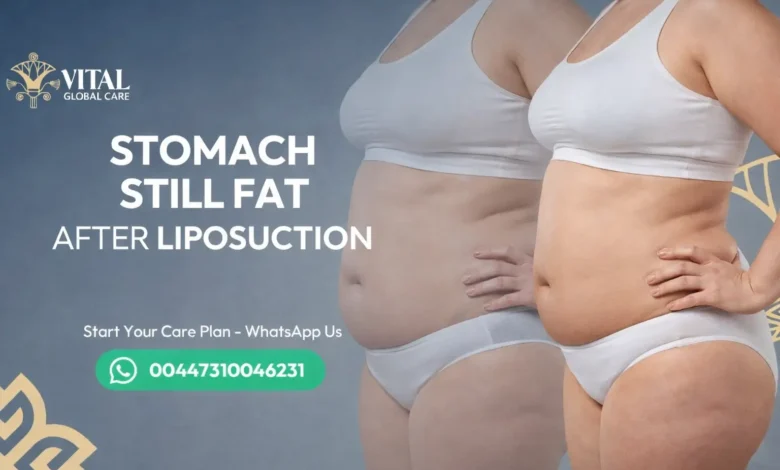
Stomach still fat after liposuction is a concern many patients have during recovery or even months after the procedure. While liposuction is designed to remove stubborn fat and improve abdominal contour, results are not always immediate—and several factors can affect how the stomach looks after surgery.
Swelling, healing timelines, remaining fat cells, skin elasticity, and lifestyle habits all play a role in post-liposuction appearance. Understanding why the stomach may still appear fatty—and whether it’s temporary or something that needs attention—can help set realistic expectations and guide next steps.
Understanding the liposuction procedure
To understand why someone might feel their stomach is still fat after liposuction, it’s important to first understand how the liposuction procedure works and what it is designed to achieve.
Liposuction is a body-contouring procedure, not a weight-loss solution. During the procedure, a plastic surgeon uses a thin tube called a cannula to break up and remove fat cells from targeted areas of the body, such as the abdomen. These fat cells are permanently removed, helping improve shape and proportion.
However, liposuction does not remove all fat from the treated area. A layer of fat must remain to maintain smooth contours and protect the skin. Because of this, the stomach may still appear fuller than expected—especially if swelling is present or expectations were unrealistic.
The procedure also does not tighten skin or strengthen abdominal muscles. If loose skin, muscle separation, or internal fat (visceral fat) is present, liposuction alone may not fully flatten the stomach.
Understanding these limitations helps explain why results may take time to appear and why some patients feel their stomach still looks fat after liposuction, even when the procedure was technically successful.
What are the risks and effects of abdominal liposuction surgery?
When patients feel their stomach is still fat after liposuction, they often wonder whether the outcome is related to normal side effects or potential risks of the procedure. Understanding both the expected effects and possible risks of abdominal liposuction helps set realistic expectations and reduces unnecessary concern.
Common short-term effects
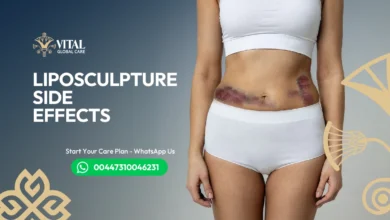
Swelling, bruising, and firmness in the abdomen are normal after surgery and can last for several weeks or even months. This temporary swelling often makes the stomach appear larger or uneven early in recovery.
Temporary changes in sensation
Numbness, tingling, or sensitivity in the abdominal area is common and usually improves as nerves heal over time.
Fluid retention and firmness
Some patients experience fluid buildup or hardened areas under the skin, which can make the stomach feel firm or appear bulky. These effects typically resolve with time, massage, and compression garments.
Irregular contours
In rare cases, uneven fat removal or healing differences can cause lumpiness or asymmetry. This may improve naturally or require corrective treatment.
Infection and delayed healing
As with any surgery, there is a small risk of infection or delayed wound healing, particularly if post-operative care instructions are not followed.
Skin laxity
Abdominal liposuction removes fat but does not tighten skin. If skin elasticity is poor, the stomach may appear loose rather than flat after surgery.
Blood clots or anesthesia risks
Though uncommon, more serious risks such as blood clots or anesthesia-related complications can occur, especially if surgery is extensive.
Most effects of abdominal liposuction are temporary and improve as healing progresses. Choosing an experienced surgeon and following recovery instructions greatly reduces risks and improves the chances of achieving a flatter, more contoured abdomen.
Read:
stomach still fat after liposuction
If your stomach is still fat after liposuction, you’re not alone—and in many cases, this is completely normal. Several factors can affect how the abdomen looks after surgery, especially during the healing process.
Post-surgical swelling
Swelling is the most common reason the stomach appears larger after liposuction. It can last for weeks or even months and may mask final results early on.
Remaining fat is intentional
Liposuction does not remove all fat from the abdomen. A thin layer of fat must remain to maintain smooth contours and avoid skin irregularities.
Visceral (internal) fat
Liposuction only removes fat located under the skin (subcutaneous fat). Fat surrounding the internal organs cannot be removed surgically and may cause the stomach to protrude.
Loose skin or poor elasticity
If the skin does not tighten well after fat removal, the abdomen may appear soft or bulky rather than flat.
Muscle separation (diastasis recti)
Weakened or separated abdominal muscles can cause the stomach to look rounded, even after fat is removed.
Weight gain after surgery
Remaining fat cells can expand if weight is gained, affecting abdominal shape.
Healing timeline not complete
Final results often take 3–6 months, and sometimes up to a year, to fully appear.
If your stomach still looks fat after liposuction, it doesn’t necessarily mean the procedure failed. A follow-up with your surgeon can help determine whether the issue is temporary or if additional treatments—such as skin tightening or muscle repair—may be beneficial.
Common side effects after liposuction
If you’re concerned that your stomach is still fat after liposuction, it helps to know which side effects are normal during recovery. Many post-liposuction effects are temporary and improve as the body heals.
Swelling and inflammation
Swelling is the most common side effect and can make the abdomen appear larger or uneven for several weeks or months.
Bruising
Bruising around the treated area is normal and typically fades within 2–4 weeks.
Firmness or hardness
The abdomen may feel firm, lumpy, or tight due to internal healing, fluid retention, or scar tissue formation.
Temporary numbness or tingling
Changes in sensation occur as nerves heal and usually resolve over time.
Fluid drainage
Mild fluid leakage from incision sites can occur in the early days following surgery.
Soreness and discomfort
Mild to moderate pain is common initially and improves steadily with time.
Asymmetry or uneven texture
The stomach may look uneven during healing due to swelling or tissue adjustment.
Skin laxity
Loose or sagging skin may be noticeable, especially if skin elasticity is limited.
Most of these side effects are part of the normal recovery process and do not mean liposuction was unsuccessful. As healing progresses, swelling subsides and the abdomen becomes more contoured.
Also read:
Why is my stomach not flat after lipo?
If you’re asking “why is my stomach not flat after lipo?”, it’s a very common concern—and in most cases, there are clear, understandable reasons. A non-flat stomach after liposuction does not automatically mean the procedure failed.
Swelling is still present
Post-liposuction swelling can last for several weeks or even months. This swelling often makes the abdomen look fuller or uneven during early recovery.
Liposuction doesn’t remove all fat
Surgeons intentionally leave a thin layer of fat to maintain smooth, natural contours. This means the stomach may not be completely flat, especially at rest.
Visceral fat cannot be removed
Liposuction only removes fat under the skin. Fat surrounding the internal organs (visceral fat) can cause the stomach to protrude and is not affected by surgery.
Loose skin or poor skin elasticity
If the skin does not retract well after fat removal, the abdomen may appear soft or sagging rather than flat.
Abdominal muscle separation
Conditions like diastasis recti can cause a rounded belly appearance that liposuction alone cannot correct.
Healing is not complete
Final results typically take 3–6 months, and sometimes up to a year, to fully develop.
Weight changes after surgery
Even small weight gain can affect abdominal appearance since remaining fat cells can expand.
If your stomach is still not flat after liposuction, a follow-up consultation can help determine whether time, lifestyle adjustments, or additional treatments—such as skin tightening or muscle repair—are needed.
Does liposuction help to lose weight?
A common misconception—especially among people who feel their stomach is still fat after liposuction—is that liposuction is a weight-loss procedure. In reality, liposuction does not help you lose weight in a meaningful or lasting way.
Liposuction is designed for body contouring, not weight reduction. It removes localized pockets of stubborn fat that don’t respond to diet and exercise, helping improve shape and proportions rather than the number on the scale.
Why the scale doesn’t change much
The amount of fat removed during liposuction is usually measured in liters, not large enough to cause significant weight loss. Many patients are surprised to see little change in their overall weight after surgery.
What liposuction does help with
- Reducing stubborn fat in targeted areas
- Improving body contour and silhouette
- Enhancing how clothes fit
What liposuction does not do
- It does not treat obesity
- It does not remove visceral (internal) fat
- It does not prevent future weight gain
For individuals seeking weight loss, lifestyle changes or medical weight-management options are more appropriate. Liposuction works best for patients who are already close to their ideal weight but want targeted fat reduction.
Understanding this distinction helps set realistic expectations and explains why some people feel their stomach is still fat after liposuction—because the procedure reshapes, not reduces overall body weight.
What is my surgeon’s duty of care?
If you’re concerned that your stomach is still fat after liposuction, it’s natural to wonder what responsibilities your surgeon has before, during, and after the procedure. A surgeon’s duty of care refers to their professional and ethical obligation to act in your best interest and provide care that meets accepted medical standards.
Proper patient evaluation and candidacy assessment
Your surgeon is responsible for determining whether you are a suitable candidate for liposuction. This includes evaluating your health, body type, skin elasticity, fat distribution, and setting realistic expectations about results.
Clear communication and informed consent
A key part of the duty of care is explaining what liposuction can and cannot achieve. Your surgeon should clearly discuss limitations—such as the fact that liposuction does not guarantee a perfectly flat stomach—and explain risks, side effects, and recovery timelines.
Safe and appropriate surgical technique
During surgery, your surgeon must use accepted techniques, maintain a sterile environment, and prioritize patient safety. Fat removal should be conservative enough to avoid contour irregularities or complications.
Post-operative care and follow-up
Your surgeon has a responsibility to provide aftercare instructions, monitor healing, and address concerns such as swelling, firmness, or uneven results. Follow-up appointments are an essential part of this duty.
Managing expectations and outcomes
If results take time or do not match expectations, your surgeon should help determine whether the issue is part of normal healing or something that may require additional treatment or revision.
Referral or corrective guidance when needed
If further treatment is appropriate—such as skin tightening, revision liposuction, or a different procedure—your surgeon should discuss options honestly and responsibly.
While surgeons are not obligated to guarantee specific cosmetic outcomes, they are required to provide competent care, clear communication, and ongoing support. Understanding your surgeon’s duty of care can help you navigate concerns and make informed decisions if your stomach still looks fat after liposuction.
What can I do if something has gone wrong?
If you feel your stomach is still fat after liposuction or believe something hasn’t gone as expected, there are clear, practical steps you can take. Not all concerns mean a complication—many issues are related to normal healing—but it’s important to respond appropriately.
Give your body enough time to heal
Swelling, firmness, and unevenness can last for several months. Final results often aren’t visible until 3–6 months, and sometimes up to a year. Acting too early can lead to unnecessary worry.
Schedule a follow-up with your surgeon
Your first step should always be a follow-up appointment. Your surgeon can assess whether what you’re experiencing is part of normal recovery or something that needs attention.
Ask for clear explanations
If results don’t match expectations, ask your surgeon to explain why. This may include factors like remaining fat, skin laxity, muscle separation, or visceral fat that liposuction cannot address.
Follow all aftercare instructions closely
Wearing compression garments, attending follow-ups, and following recovery guidance can significantly improve outcomes and prevent issues from worsening.
Seek a second opinion if needed
If you feel your concerns aren’t being addressed, seeking a second opinion from a board-certified plastic surgeon can provide clarity and peace of mind.
Discuss corrective or revision options
If a true issue exists, solutions may include revision liposuction, skin tightening treatments, fat redistribution correction, or alternative procedures such as a tummy tuck—depending on the cause.
Know your rights, but stay realistic
Cosmetic surgery does not guarantee perfection. Surgeons are responsible for proper care and informed consent, not specific aesthetic outcomes. However, clear negligence or poor care should be addressed professionally.
If something feels wrong, don’t ignore it—but don’t panic either. Clear communication, patience, and expert evaluation are the best steps forward when results don’t look the way you expected after liposuction.
Why Do I Have A Stomach Bulge Months After Surgery?
If you’re noticing a stomach bulge months after surgery, it can be frustrating—especially if you expected a flatter result after liposuction. While this concern is common, there are several possible explanations, and many are not related to surgical failure.
Residual swelling that hasn’t fully resolved
Although most swelling decreases within the first few months, deeper tissue swelling can linger longer, making the abdomen appear slightly bulged.
Visceral (internal) fat
Liposuction only removes fat beneath the skin. Fat around the internal organs cannot be removed and may cause the stomach to protrude, even months after surgery.
Abdominal muscle separation or weakness
Conditions such as diastasis recti can cause the abdomen to push outward. Liposuction does not repair muscles, so this bulge may remain unless addressed surgically.
Skin laxity or poor elasticity
If the skin doesn’t retract well after fat removal, it can create a soft bulge rather than a flat contour.
Weight gain after surgery
Even modest weight gain can cause remaining fat cells to expand, affecting the abdomen’s appearance.
Scar tissue or internal firmness
Fibrosis or hardened tissue under the skin can sometimes mimic a bulge and may take time or targeted treatment to improve.
Hormonal or digestive factors
Bloating, hormonal changes, or gastrointestinal issues can also contribute to abdominal fullness that’s unrelated to fat.
If a stomach bulge persists months after surgery, the best step is a follow-up consultation with a qualified plastic surgeon. They can identify the underlying cause and recommend appropriate solutions—whether that’s more time, lifestyle adjustments, non-surgical treatments, or a corrective procedure.
What Can I Do To Address My Post-Surgery Stomach Bulge?
If your stomach is still fat after liposuction or you’re noticing a persistent bulge months after surgery, the good news is that there are several constructive steps you can take. The right solution depends on the underlying cause, so a thoughtful approach is key.
Give healing enough time
Some swelling and internal firmness can last longer than expected. Final results may take up to 6–12 months, so patience is often the first and most important step.
Schedule a follow-up with your surgeon
A professional evaluation can determine whether the bulge is due to swelling, remaining fat, muscle separation, skin laxity, or visceral fat—each requiring a different approach.
Wear compression garments as recommended
Proper compression can help reduce lingering swelling, support tissue healing, and improve contour over time.
Maintain a stable, healthy weight
Weight gain after liposuction can cause remaining fat cells to enlarge. A balanced diet and regular exercise help prevent this and improve abdominal appearance.
Strengthen your core (when cleared)
If muscle weakness contributes to the bulge, guided core-strengthening exercises—approved by your healthcare provider—may help improve abdominal tone.
Consider non-surgical treatments
Skin tightening treatments, lymphatic massage, or radiofrequency therapy can improve firmness and contour in some cases.
Explore surgical correction if necessary
If the bulge is caused by muscle separation or significant skin laxity, procedures such as a tummy tuck or revision liposuction may be recommended.
Seek a second opinion if unsure
If concerns persist, consulting another board-certified plastic surgeon can provide clarity and additional options.
Addressing a post-surgery stomach bulge starts with understanding the cause. With the right guidance and realistic expectations, many patients can achieve noticeable improvement—even months after liposuction.
Can I Avoid A Stomach Bulge After Abdominal Liposuction?
While it’s not always possible to guarantee a perfectly flat abdomen, there are steps you can take to reduce the risk of a stomach bulge after abdominal liposuction—and to avoid feeling that your stomach is still fat after liposuction.
Choose the right surgeon and procedure
Selecting an experienced, board-certified plastic surgeon is one of the most important factors. A skilled surgeon will assess fat type, skin elasticity, and muscle structure to determine whether liposuction alone is appropriate—or if another procedure may be needed.
Have realistic expectations
Liposuction removes subcutaneous fat, not visceral fat, and it does not tighten muscles or skin. Understanding these limits helps prevent disappointment.
Follow post-operative instructions closely
Wearing compression garments, attending follow-up visits, and following recovery guidelines support proper healing and reduce swelling and fluid buildup.
Maintain a stable weight
Weight gain after surgery can cause remaining fat cells to expand, contributing to abdominal fullness or bulging.
Support skin and muscle health
Good hydration, nutrition, and—once cleared—core-strengthening exercises help improve abdominal tone and appearance.
Consider combination treatments when appropriate
In some cases, combining liposuction with skin tightening treatments or opting for a tummy tuck may better address loose skin or muscle separation.
Be patient with healing
Swelling and firmness can last longer than expected. Giving your body enough time to heal is essential before judging final results.
While not every factor is controllable, following these steps can significantly reduce the likelihood of a post-surgery stomach bulge and improve long-term satisfaction with your liposuction results.
Causes Of Swelling 6 Months After Liposuction
If your stomach is still fat after liposuction or you’re noticing swelling 6 months after liposuction, it can be confusing and concerning. While most swelling resolves within the first few months, lingering or late swelling can still occur—and there are several possible reasons.
Residual healing and internal inflammation
Deep tissues continue healing long after surgery. Internal inflammation or slow lymphatic drainage can cause persistent swelling even at the 6-month mark.
Lymphatic system disruption
Liposuction temporarily disrupts lymphatic vessels. In some patients, lymphatic drainage takes longer to normalize, leading to ongoing fluid retention and puffiness.
Scar tissue (fibrosis)
Hardened scar tissue under the skin can trap fluid and create firmness or swelling that mimics fat. This may improve gradually or with massage and targeted therapy.
Inconsistent compression garment use
Not wearing compression garments as recommended—or stopping too early—can contribute to prolonged swelling.
Physical activity or overexertion
Intense exercise or heavy lifting too soon can aggravate healing tissues and trigger swelling months after surgery.
Weight gain or dietary factors
Salt intake, dehydration, or weight gain can cause fluid retention and make the abdomen appear swollen rather than truly fatty.
Hormonal changes
Hormonal fluctuations can influence water retention and abdominal bloating, especially in women.
Underlying medical issues
In rare cases, persistent swelling may be linked to infection, seroma, or other complications that require medical evaluation.
If swelling persists or worsens 6 months after liposuction, a follow-up with your surgeon is recommended. Identifying the cause early helps determine whether time, lifestyle adjustments, or targeted treatment is needed to restore a flatter abdominal appearance.
FAQ
Is it normal for my stomach to still look fat after liposuction?
Yes. Swelling, internal healing, remaining fat, skin laxity, or muscle separation can all make the stomach appear fuller for months after surgery.
How long does swelling last after abdominal liposuction?
Most swelling improves within 3–6 months, but mild swelling can persist for up to 6–12 months, especially in the abdomen.
Can liposuction remove all belly fat?
No. Liposuction only removes subcutaneous fat under the skin. It cannot remove visceral (internal) fat around the organs.
Why do I still have a bulge months after surgery?
Common causes include lingering swelling, visceral fat, loose skin, scar tissue (fibrosis), muscle separation, or weight gain.
Does liposuction tighten the stomach?
No. Liposuction does not tighten skin or repair muscles. Skin tightening treatments or a tummy tuck may be needed in some cases.
Can weight gain affect my results?
Yes. Remaining fat cells can expand with weight gain, which may make the stomach look fuller even after liposuction.
Is a flat stomach guaranteed after liposuction?
No. A perfectly flat stomach depends on skin quality, muscle tone, fat type, and overall body composition—not fat removal alone.
What should I do if my stomach still looks fat after 6 months?
Schedule a follow-up with your surgeon to determine the cause. Solutions may include time, lifestyle changes, non-surgical treatments, or revision surgery.
Can swelling return months after liposuction?
Yes. Overexertion, hormonal changes, diet, scar tissue, or lymphatic issues can cause late or recurring swelling.
When should I seek a second opinion?
If your concerns aren’t being addressed or results don’t improve after full healing, a second opinion from a board-certified plastic surgeon can be helpful.
Conclusion
If your stomach is still fat after liposuction, it doesn’t automatically mean the procedure failed. In many cases, lingering swelling, internal healing, remaining fat, skin laxity, muscle separation, or visceral fat are the true reasons behind a fuller appearance. Abdominal liposuction is designed to contour the body—not guarantee a perfectly flat stomach.
Final results take time, often up to 6–12 months, and patience is essential. Following post-operative instructions, maintaining a stable weight, and attending follow-up appointments all play a major role in achieving the best possible outcome.
If concerns persist after full healing, a consultation with a qualified plastic surgeon can help identify the cause and discuss appropriate solutions—whether that’s additional time, non-surgical treatments, or a corrective procedure. With realistic expectations and proper care, many patients still achieve noticeable improvement and long-term satisfaction after liposuction.