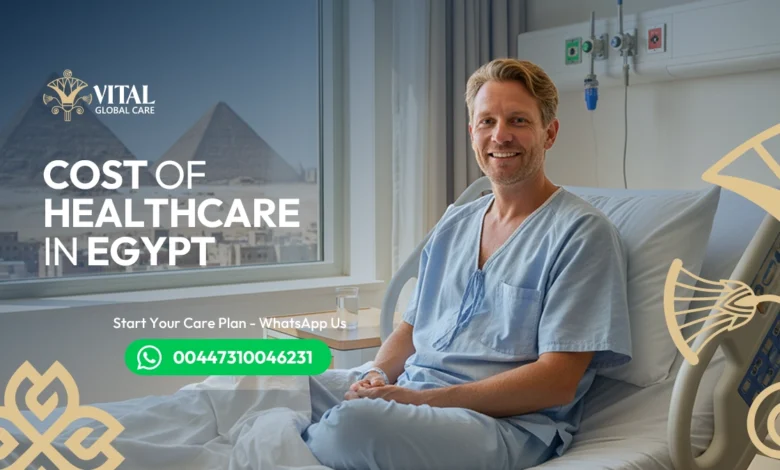
Understanding the cost of healthcare in egypt is important for residents, expatriates, and anyone planning long-term medical care. The healthcare system includes public hospitals, private clinics, and insurance-based services, each with different pricing expectations and levels of access.
Costs can vary depending on location, type of facility, and whether care is paid out of pocket or through insurance. Some people find routine services manageable, while others face higher expenses for specialized care. Knowing how the system works helps individuals plan ahead and avoid unexpected financial pressure when medical needs arise.
cost of healthcare in egypt
Healthcare in Egypt is delivered through a mix of public services, private providers, and insurance-based options. Access, quality, and patient experience can differ depending on where care is received.
Public hospitals are widely available and handle a large share of routine and emergency care. They are often more affordable but can be crowded, which may affect waiting times and comfort.
Private clinics and hospitals are common in major cities and are usually chosen for faster access and more personalized care. Many residents and expatriates rely on private care for consultations, diagnostics, and elective procedures.
- Out-of-pocket payment for routine services
- Public hospitals and government clinics
- Private hospitals and medical centers
- University and teaching hospitals
- Health insurance and employer-provided coverage
Emergency services and important numbers in Egypt
Egypt has centralized emergency numbers that connect callers to police, medical, and fire services. These services operate nationwide and are intended for urgent situations that require immediate assistance.
Response times and service quality can vary by location and demand. In major cities, access is generally faster, while rural areas may experience delays, so knowing the correct number to call is important.
- Police: 122
- Ambulance: 123
- Fire Department: 180
- Traffic Police: 128
- Electricity Emergency: 121
- Gas Emergency: 129
For medical emergencies, calling the ambulance number is the standard first step. If the situation is not life-threatening, many people choose to go directly to the nearest hospital or private clinic.
Advantages of healthcare in Egypt
Healthcare in Egypt offers several practical benefits for residents, visitors, and expatriates. The system combines public and private providers, giving people different options based on budget, urgency, and personal preference.
One key advantage is flexibility. Patients can choose between government hospitals for basic care or private facilities for faster access and more personalized services, especially in large cities.
Another strength is availability. Medical services are widely spread across urban areas, and many doctors have experience treating a broad range of conditions, which helps patients find care without long travel.
- Relatively affordable costs compared to many countries
- Wide network of public and private healthcare facilities
- Easy access to private clinics without long referral processes
- Availability of experienced physicians in major cities
- Shorter waiting times in private healthcare settings
Read:
Why Egypt is the best in cosmetic surgery and weight loss?
Egypt is often chosen for cosmetic surgery and weight loss procedures because of its balance between medical expertise and accessibility. Many patients look for quality care without the complexity or cost found in other destinations.
One reason is the strong presence of experienced surgeons, especially in major cities. Many specialists focus on aesthetic and weight-related procedures and work in well-equipped private hospitals and clinics.
Another factor is convenience. Patients can usually access consultations and procedures without long waiting periods, which makes planning treatment easier for both locals and visitors.
- Experienced doctors in cosmetic and bariatric fields
- Modern private hospitals and specialized clinics
- More affordable overall costs for procedures and aftercare
- Shorter waiting times compared to many countries
- Popular destination for regional medical tourism
Travel and healthcare requirements to Egypt
Traveling to Egypt for healthcare or general purposes requires basic preparation related to entry rules and medical readiness. Requirements can vary by nationality, length of stay, and the purpose of travel.
Most travelers need a valid passport and, in many cases, a visa obtained in advance or on arrival. It is also recommended to have travel health insurance that covers medical treatment during the stay.
Healthcare-wise, visitors are not usually required to present medical tests for entry, but being prepared helps avoid complications if care is needed during the trip.
- Valid passport with sufficient remaining validity
- Tourist or entry visa, depending on nationality
- Travel or international health insurance
- Personal medical records if seeking planned treatment
- Awareness of nearby hospitals or clinics at the destination
For planned medical procedures, contacting the healthcare provider in advance helps clarify documentation, follow-up care, and any specific preparation needed before arrival.
Number of private hospitals in egypt
There is no single, officially agreed-upon figure for the exact number of private hospitals in Egypt. The total changes over time due to new openings, mergers, and licensing updates.
What is clear is that private hospitals make up a significant portion of healthcare facilities, especially in large cities like Cairo, Giza, and Alexandria. They range from small specialty hospitals to large multi-service medical centers.
Because data is issued by different authorities and professional bodies, figures are often reported as estimates rather than fixed numbers. For accurate and current details, official health registries are usually the main reference.
- Private hospitals are concentrated in major urban areas
- Sizes vary from small specialty units to large hospitals
- Numbers change due to licensing and expansion
- Estimates differ between official and industry sources
Medical facilities in egypt
Medical facilities in Egypt include a wide range of public, private, and specialized centers that serve different healthcare needs. Patients can access basic care, emergency services, and specialized treatments through multiple channels.
Public facilities form the backbone of the healthcare system. Government hospitals and clinics are spread across the country and provide low-cost services, though they can be busy, especially in densely populated areas.
Private medical facilities are common in major cities and are often preferred for shorter waiting times and more personalized care. Many are well-equipped and focus on specific specialties or comprehensive treatment.
- Government hospitals and public health units
- Private hospitals and specialized medical centers
- University and teaching hospitals
- Diagnostic labs and imaging centers
- Outpatient clinics and day-surgery facilities
Does the EHIC card cover Egypt?
No, the EHIC card does not cover Egypt. The European Health Insurance Card is only valid within EU countries, the EEA, and Switzerland.
Egypt is outside the EHIC coverage area, so the card cannot be used for public or emergency healthcare services there. This applies regardless of whether the visit is for tourism, work, or medical treatment.
Travelers to Egypt are usually expected to pay for healthcare services directly. Many people rely on private hospitals or clinics, which require payment at the time of care.
- EHIC is valid only in EU/EEA countries and Switzerland
- Egypt is not included in the EHIC system
- Public healthcare in Egypt is not accessible via EHIC
- Travel health insurance is commonly used instead
- Private healthcare typically requires out-of-pocket payment
health insurance for expats in egypt
In 2026, the healthcare landscape in Egypt for expats is a mix of high-quality private care and an evolving national system. While the government is rolling out the Universal Health Insurance System (UHIS), most expats still rely on private international or local insurance to access top-tier hospitals like As-Salam International or Dar Al Fouad.
Here is a breakdown of your best options for health insurance as an expat in Egypt:
1. Top International Providers (Recommended)
If you travel frequently or want the highest level of coverage with “direct billing” (where the insurer pays the hospital directly), these are the gold standards:
- Bupa Global: Known for the most extensive network in Egypt and premium “Elite” plans that cover almost everything, including maternity and dental.
- Allianz Care: Highly popular among expat professionals for its “Allianz Egypt” partnership, providing seamless local support and a 24/7 helpline.
- Cigna Global: Offers highly modular plans, allowing you to choose only the modules you need (e.g., just inpatient or adding outpatient/vision) to save on costs.
- AXA Global Healthcare: A leader in the region with “AXA OneHealth” clinics in Cairo, which streamline the process of seeing specialists without upfront payments.
2. Local Private Insurance (Cost-Effective)
If you are on a budget and mostly stay within Egypt, local providers offer plans that are significantly cheaper than international ones:
- GIG Egypt: Offers a massive network of over 4,000 providers and a dedicated mobile app (MedNet) for managing claims.
- MetLife Egypt: Well-regarded for corporate and individual plans with strong local roots.
- Libano Suisse: Known for tailored plans that can include coverage for the GCC and MENA region if you travel nearby.
3. The Universal Health Insurance System (UHIS)
Egypt is currently in the second phase of a mandatory national health scheme (aiming for full coverage by 2030).
- Eligibility: Expats working officially in Egypt are generally required to contribute to this via payroll (usually about 1% of the wage).
- Current State: It is being rolled out by governorate (starting with Port Said, Luxor, and now moving to Minya and Alexandria).
- Note: While it covers surgeries and basic care, most expats continue to use private insurance to avoid longer wait times in the public sector.
health insurance for foreigners in egypt
In 2026, the health insurance market for foreigners in Egypt has become quite sophisticated, catering to everyone from digital nomads in Dahab to corporate executives in New Cairo.
The best choice for you depends on your visa status and how long you plan to stay. Here are the three primary paths for foreigners:
1. International Private Medical Insurance (IPMI)
Best for: Long-term expats and those who want “peace of mind” with global standards.
- Top Providers: Allianz Care, Cigna Global, and Bupa Global.
- Why choose this: These plans offer Direct Billing at Egypt’s “Tier A” hospitals (like As-Salam International and Dar Al Fouad). You won’t have to pay out of pocket for major surgeries.
- Benefit: Coverage follows you if you travel outside Egypt or decide to seek treatment in your home country.
- Cost: Expect to pay between $1,200 and $3,500 per year depending on age and coverage level.
2. Local “Egyptian” Private Insurance
Best for: Foreigners on a budget or those employed by Egyptian companies.
- Top Providers: AXA Egypt, GIG (Gulf Insurance Group), and MetLife.
- Why choose this: Much cheaper than international plans. AXA, for example, has its own “OneHealth” clinics in Cairo that are very modern and foreigner-friendly.
- Note: Many of these plans use the MedNet or NextCare networks. You will be issued a card that is widely accepted in private clinics across the country.
- Cost: Typically between $400 and $1,000 per year.
3. Specialized Nomad/Travel Insurance
Best for: Tourists, remote workers, or those here for less than 6 months.
- Top Providers: SafetyWing or World Nomads.
- Why choose this: You can sign up while already in Egypt. It covers emergency medical situations and accidents.
- Limitations: They generally do not cover routine check-ups, dental, or chronic conditions (like diabetes management).
- Cost: Roughly $45 to $90 per month.
number of private clinics in egypt
Based on the most recent data from the Central Agency for Public Mobilization and Statistics (CAPMAS) and the Ministry of Health, here is the breakdown of the private healthcare landscape:
1. Estimated Number of Private Clinics
While an exact “live” count for 2026 is difficult due to the daily opening of new practices, the following estimates represent the current landscape:
- Private Specialty Clinics: There are estimated to be over 80,000 to 100,000 private clinics across Egypt. This includes solo clinics operated by doctors in residential or commercial buildings.
- Private Polyclinics: There has been a surge in “Polyclinics” (facilities with multiple specialties under one roof). These now number in the thousands and are concentrated in urban areas like Greater Cairo and Alexandria.
2. Private Hospitals vs. Clinics
The private sector dominates the number of facilities in Egypt, even though the government provides more hospital beds.
- Private Hospitals: Approximately 1,150 to 1,200 private hospitals are currently operational.
- Market Share: Private facilities account for roughly 63% of the total hospitals in Egypt, but they tend to be smaller, averaging about 30–35 beds per hospital compared to public hospitals which average 90+ beds.
is healthcare free in egypt?
In 2026, the answer to whether healthcare is “free” in Egypt is: Yes, in theory and for emergencies, but in practice, most people incur some costs.
How much does it cost to see a doctor in Egypt
The cost of seeing a doctor in Egypt varies depending on where the consultation takes place and the type of provider. Public facilities, private clinics, and large hospitals all follow different pricing approaches.
In public hospitals and government clinics, consultations are usually low-cost, but patients may face longer waiting times and limited appointment flexibility. These facilities are commonly used for basic and emergency care.
Private clinics and hospitals typically charge more, but many patients choose them for quicker access, shorter waits, and more direct communication with doctors. Prices can also vary by city, medical specialty, and the doctor’s level of experience.
- Public clinics are generally the most affordable
- Private clinics charge higher fees for convenience and speed
- Specialist consultations cost more than general check-ups
- Major cities often have higher consultation fees
- Payment is often made out of pocket at the time of visit
best private medical insurance in egypt
There is no single “best” private medical‑insurance plan in Egypt for everyone; the top choice depends on whether you want local‑only coverage, international‑style plans, age limits, or family coverage. That said, several insurers are widely regarded as strong options for individuals and families in Cairo and across Egypt.
Top‑rated private medical‑insurance providers
- Bupa Egypt / Bupa Global
- Known for international‑style health insurance with strong global networks, high‑quality private‑hospital access, and comprehensive plans for individuals and families.
- Often preferred if you travel often or want access to top‑tier private hospitals worldwide.
- AXA Egypt
- Offers flexible local and international‑style health‑insurance plans, with a focus on preventive care, wellness programs, and an integrated network of AXA‑linked clinics (“OneHealth”).
- Good if you want both local coverage inside Egypt and expat‑friendly international options.
- Allianz Egypt / Allianz Care
- Provides international health‑insurance plans for expats and locals, with access to private hospitals and specialists in Egypt and abroad.
- “Health Plus” and similar programs emphasize quality networks and options for oncology, maternity, and emergency care.
- Other strong local options
- Delta, GIG, Royal, Sarwa, Libano Suisse, Orient Takaful, Arope, and Medmark‑partnered insurers are often listed among Egypt’s leading medical‑insurance providers, with products tailored to different budgets and age groups (including some plans that accept applicants up to 60–74 years).
How to choose the “best” for you in Egypt
- For top‑tier, international‑style coverage: Bupa Egypt or AXA Global‑style plans are usually the best fit if premium cost is less critical.
- For balance of price and network quality: AXA Egypt, Allianz, or GIG/Royal/Sarwa plans can offer good value, especially if you mainly use private hospitals in Egypt.
- For older applicants or family plans: Royal and Sarwa stand out because they cover applicants beyond 60, and some plans go up to 74 years.
FAQ
Is healthcare in Egypt available to foreigners?
- Foreigners can access healthcare services across Egypt.
- Private hospitals and clinics frequently treat expatriates and medical tourists.
- Public hospitals are also open to foreigners, mainly for emergencies.
- Many visitors prefer private facilities for comfort and easier communication.
Do I need health insurance to receive medical care in Egypt?
- Health insurance is not legally required to receive treatment.
- Many private hospitals ask for payment upfront.
- Insurance helps cover consultations, tests, and hospital stays.
- It reduces financial pressure in case of unexpected medical needs.
Are private hospitals in Egypt well equipped?
- Many private hospitals in major cities are well equipped.
- They often provide modern diagnostic and treatment services.
- Equipment quality can vary between facilities.
- Patients usually choose hospitals based on reputation and specialty.
Can tourists use public hospitals in Egypt?
- Tourists can use public hospitals, especially during emergencies.
- Services may be crowded with longer waiting times.
- English may not always be widely spoken.
- For these reasons, many tourists choose private hospitals instead.
Is medical care in Egypt affordable compared to other countries?
- Medical care in Egypt is often more affordable for many patients.
- Consultation and procedure costs are generally lower than in Europe or North America.
- Out-of-pocket payment is common.
- Affordability depends on the type of facility and service.
Are English-speaking doctors available in Egypt?
- Many doctors in private facilities speak English.
- This is common in Cairo, Giza, and Alexandria.
- English-speaking staff are frequent in hospitals serving expatriates.
- Communication is usually easier in private healthcare settings.
Conclusion
Understanding the healthcare landscape in Egypt helps patients and travelers make informed decisions with confidence. From public hospitals to private clinics, options vary in access, comfort, and pricing, which directly affects the cost of healthcare in egypt. Planning ahead, knowing where to seek care, and understanding payment expectations can reduce stress and unexpected expenses. If you are considering treatment or travel, taking time to prepare will help you navigate the system more smoothly and choose what best fits your needs.