If you’re considering cosmetic procedures, one of the most important questions you can ask is: what is the safest plastic surgery? Safety should always come first when making any decision about your body. While many modern procedures are considered safe when performed by qualified professionals, some carry lower risks than others. Understanding which options are safest—and why—can help you make a confident, informed choice.
“what is the safest plastic surgery”
When people ask what is the safest plastic surgery, the answer depends on several factors, including your health, the surgeon’s experience, the facility, and the type of procedure being performed. In general, less invasive procedures with shorter operating times and local anesthesia tend to carry the lowest risk.
Procedures Often Considered Safer
Among surgical options, the procedures often viewed as having a relatively strong safety profile include:
- Eyelid surgery (blepharoplasty)
- Mini facelift in suitable candidates
- Liposuction in small areas
- Breast implant removal in straightforward cases
These are often considered lower risk than longer, more complex operations when performed on healthy patients by qualified plastic surgeons.
Non-Surgical Treatments Are Usually Even Safer
If you are asking what is the safest plastic surgery, it is also worth noting that many non-surgical cosmetic treatments are generally safer than surgery. These include:
- Botox
- Dermal fillers
- Laser skin treatments
- Chemical peels
They still carry risks, but those risks are usually lower than procedures that require incisions, anesthesia, and longer recovery.
What Actually Makes a Procedure Safe?
The safest procedure is not just about the name of the treatment. Safety depends on:
- Your overall health and medical history
- Whether the procedure is performed under local or general anesthesia
- The skill and qualifications of the surgeon
- The cleanliness and accreditation of the clinic or hospital
- How well you follow pre- and post-op instructions
The Safest Choice Is the Right Choice for You
A procedure that is safe for one person may not be the safest option for another. For example, a healthy patient may tolerate a longer surgery well, while someone with underlying medical conditions may need a much more conservative approach.
Final Thought
So, what is the safest plastic surgery? In most cases, the safest cosmetic procedures are the least invasive ones, especially when performed by an experienced, board-certified surgeon in an appropriate medical setting. Rather than focusing only on the procedure itself, it is smarter to focus on the right surgeon, the right clinic, and the right treatment plan for your body.
Top Candidates: What Is the Safest Plastic Surgery for Face and Body?
If you’re researching what is the safest plastic surgery, it helps to break it down by areas of the body. Some procedures for the face and body are generally considered safer due to their lower complexity, shorter recovery times, and reduced risk of complications—especially when performed by experienced professionals.
Safest Plastic Surgery Options for the Face
Facial procedures tend to be less invasive compared to full-body surgeries, making some of them safer choices:
Eyelid Surgery (Blepharoplasty)
Often considered one of the safest facial surgeries, it involves removing excess skin around the eyes. It’s relatively quick, performed under local anesthesia in many cases, and has a high satisfaction rate.
Mini Facelift
A less invasive version of a traditional facelift, it focuses on mild sagging with smaller incisions and shorter recovery time.
Brow Lift (Endoscopic)
Using small incisions hidden in the hairline, this procedure lifts the brows with minimal tissue disruption.
Safest Plastic Surgery Options for the Body
When it comes to body procedures, safety often depends on the scale of the treatment:
Liposuction (Small Areas)
Targeting limited areas (like the chin or small fat pockets) is generally safer than large-volume liposuction, with lower risk and faster recovery.
Breast Implant Removal
In straightforward cases, removing implants is typically less complex than placing them, making it a safer surgical option.
Tummy Tuck (Mini Abdominoplasty)
A mini tummy tuck, which targets the lower abdomen only, is less invasive than a full abdominoplasty and may carry fewer risks.
Why These Procedures Are Considered Safer
When evaluating what is the safest plastic surgery, these procedures stand out because they typically involve:
- Shorter surgery duration
- Limited anesthesia (often local or light sedation)
- Smaller incisions
- Faster recovery periods
- Lower complication rates in healthy patients
Important Reminder
Even the “safest” procedures can carry risks if performed incorrectly or on unsuitable candidates. The key factors that truly define safety include:
- Surgeon’s qualifications and experience
- Proper patient selection
- Accredited medical facility
- Following all medical advice
The Takeaway
There’s no single answer to what is the safest plastic surgery, but certain face and body procedures are widely considered lower risk when done properly. The safest choice will always be the one tailored to your needs, performed by a trusted expert, and approached with realistic expectations.
Factors That Determine What Is the Safest Plastic Surgery Procedure?
When evaluating what is the safest plastic surgery, it’s important to understand that safety isn’t defined by the procedure alone. Instead, multiple factors work together to determine how safe a treatment will be for you personally.
Your Overall Health
Your physical condition plays a major role in surgical safety. Patients who are:
- In good general health
- Free from serious medical conditions
- Non-smokers (or willing to stop)
tend to have lower risks and smoother recoveries.
Type and Complexity of the Procedure
Not all surgeries carry the same level of risk. Generally:
- Shorter, less invasive procedures are safer
- Surgeries involving large areas or multiple techniques carry higher risks
- Procedures under local anesthesia are typically safer than those requiring general anesthesia
This is why simpler treatments are often considered when discussing what is the safest plastic surgery.
Surgeon’s Experience and Qualifications
One of the most critical factors is who performs the procedure. A qualified, experienced, and board-certified plastic surgeon can significantly reduce risks by:
- Using proper techniques
- Anticipating complications
- Making safe, informed decisions during surgery
Facility and Safety Standards
The environment where the procedure takes place matters just as much as the surgeon. Look for:
- Accredited clinics or hospitals
- Proper sterilization protocols
- Emergency equipment and trained staff
Anesthesia Type
The type of anesthesia used can influence overall safety:
- Local anesthesia – lowest risk
- Sedation – moderate risk
- General anesthesia – higher risk, especially for longer procedures
Pre- and Post-Operative Care
Safety doesn’t start and end in the operating room. Proper preparation and aftercare are essential:
- Following pre-surgery instructions
- Attending follow-up appointments
- Adhering to recovery guidelines
Realistic Expectations and Proper Planning
Choosing the right procedure for your goals is key. Trying to combine too many procedures or opting for overly aggressive changes can increase risks.
The Bottom Line
When asking what is the safest plastic surgery, the answer depends on a combination of your health, the procedure itself, and the expertise behind it. The safest approach is always a personalized plan created by a qualified professional who prioritizes your wellbeing above all else.
Read:
Non-Surgical Alternatives: When the Safest Plastic Surgery Isn’t Surgery at All?
When exploring what is the safest plastic surgery, it’s worth considering that the safest option may sometimes be no surgery at all. Non-surgical cosmetic treatments have become increasingly popular because they offer noticeable improvements with fewer risks, less downtime, and no incisions.
Why Non-Surgical Treatments Are Considered Safer
Non-surgical procedures generally:
- Don’t require general anesthesia
- Involve minimal or no incisions
- Have shorter recovery times
- Carry lower risk of serious complications
While no treatment is completely risk-free, these options are often a safer starting point for many people.
Popular Non-Surgical Alternatives
Botox (Anti-Wrinkle Injections)
Used to relax facial muscles and reduce the appearance of fine lines and wrinkles. It’s quick, widely used, and has a strong safety record when performed correctly.
Dermal Fillers
Fillers restore lost volume, enhance facial contours, and smooth wrinkles. Results are immediate and can often be adjusted or reversed if needed.
Laser Treatments
Laser therapies improve skin texture, tone, and pigmentation issues with controlled energy targeting the skin.
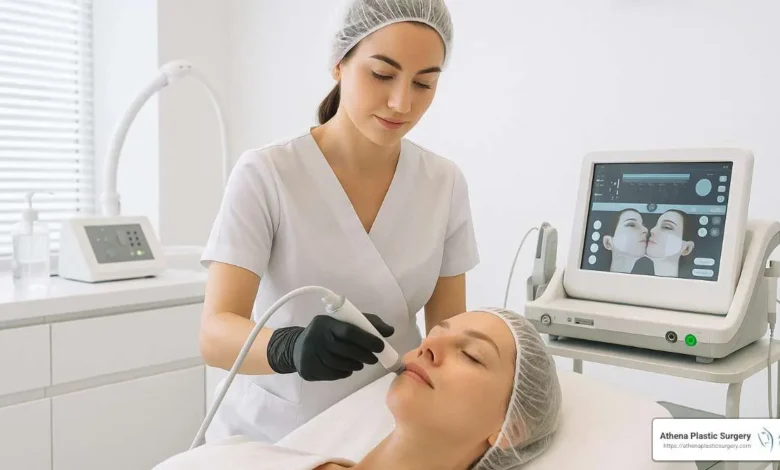
Radiofrequency and Ultrasound (Skin Tightening)
These treatments stimulate collagen production to gradually tighten and lift the skin without surgery.
Chemical Peels
Help refresh the skin by removing damaged outer layers, improving overall appearance and texture.
Who Should Consider Non-Surgical Options?
If you’re asking what is the safest plastic surgery, non-surgical treatments may be ideal if you:
- Have mild to moderate concerns
- Prefer minimal downtime
- Want gradual, natural-looking results
- Are not ready for surgical procedures
Limitations to Keep in Mind
While safer, non-surgical treatments:
- Provide temporary results
- May require maintenance sessions
- Cannot achieve the same dramatic changes as surgery
The Smart Approach
For many people, starting with non-surgical treatments is a practical way to explore cosmetic improvements with lower risk. In fact, the answer to what is the safest plastic surgery may often be choosing a non-surgical route—at least initially.
Recovery and Safety: How to Ensure Your Procedure Remains the Safest Possible?
Understanding what is the safest plastic surgery doesn’t stop at choosing the right procedure—the recovery phase plays a huge role in overall safety and final results. Even a low-risk treatment can lead to complications if aftercare is not handled properly.
Follow Your Surgeon’s Instructions Exactly
Your surgeon will provide detailed pre- and post-operative guidelines. Following them closely is one of the most important steps to ensure safety. This may include:
- Preparing your body before surgery (e.g., stopping smoking)
- Taking prescribed medications correctly
- Attending all follow-up appointments
Ignoring these steps can increase risks, even for procedures considered safe.
Prioritize Proper Rest and Healing
Your body needs time to recover. Make sure to:
- Get enough rest, especially in the first few days
- Avoid strenuous activities until cleared
- Keep your head or body in the recommended position
Rushing recovery can compromise results and increase complications.
Watch for Warning Signs
Being aware of potential issues helps you act quickly. Contact your provider if you notice:
- Unusual swelling or severe pain
- Signs of infection (redness, warmth, discharge)
- Fever or unexpected symptoms
Early intervention is key to maintaining safety.
Maintain a Healthy Lifestyle
Supporting your body during recovery improves healing and reduces risk:
- Eat a balanced, nutrient-rich diet
- Stay hydrated
- Avoid smoking and limit alcohol
These habits directly impact how well your body repairs itself.
Protect Treated Areas
Depending on the procedure, you may need to:
- Avoid sun exposure
- Wear compression garments
- Keep incisions clean and protected
These steps help prevent complications and improve outcomes.
Choose the Right Time for Surgery
Planning your procedure when you can fully commit to recovery is crucial. Avoid scheduling surgery during stressful or busy periods where proper care may be difficult.
The Key to True Safety
When asking what is the safest plastic surgery, remember that safety is not just about the procedure—it’s about the entire journey. From preparation to recovery, your choices and habits play a major role in achieving a safe and successful result.
Read:
How We Provide What Is the Safest Plastic Surgery in Egypt?
When patients ask what is the safest plastic surgery, the answer goes beyond the procedure itself—it’s about the standards, expertise, and care behind it. At our Egypt-based clinic, safety is built into every step of the patient journey, from consultation to recovery.
Board-Certified Surgeons with International Experience
Safety starts with the right professionals. Our procedures are performed by highly qualified, board-certified surgeons who:
- Have extensive experience in both surgical and non-surgical treatments
- Stay updated with the latest global techniques
- Prioritize patient safety over unnecessary procedures
Personalized Treatment Planning
There is no one-size-fits-all answer to what is the safest plastic surgery. That’s why we:
- Conduct thorough consultations
- Assess your medical history and goals
- Recommend only the safest and most suitable options for you
This ensures that each patient receives a tailored, risk-conscious approach.
Advanced Technology and Modern Techniques
We use up-to-date medical equipment and minimally invasive techniques whenever possible. This helps:
- Reduce surgical risks
- Minimize downtime
- Improve overall outcomes
Accredited Facilities and Strict Safety Protocols
All procedures are carried out in facilities that follow strict medical standards, including:
- Sterile operating environments
- Certified anesthesia professionals
- Emergency preparedness systems
These factors are essential in delivering safe care.
Focus on Minimally Invasive Options
Whenever appropriate, we recommend non-surgical or less invasive treatments. This aligns with the goal of answering what is the safest plastic surgery by choosing options with lower risk profiles.
Comprehensive Aftercare and Support
Patient safety continues after the procedure. We provide:
- Detailed recovery instructions
- Regular follow-up appointments
- Ongoing support for any concerns
This ensures a smooth and monitored healing process.
A Safety-First Philosophy
Ultimately, providing what is the safest plastic surgery means putting patient wellbeing above all else. From careful planning to expert execution and dedicated aftercare, every step is designed to deliver safe, natural, and satisfying results.
What is the safest plastic surgery with the shortest recovery time?
If you’re wondering what is the safest plastic surgery with minimal downtime, the answer usually points toward less invasive procedures that require little to no general anesthesia. These options tend to offer a strong balance between safety and quick recovery.
Top Options with Short Recovery Time
Eyelid Surgery (Blepharoplasty)
Often considered one of the safest surgical procedures, eyelid surgery typically involves:
- Local anesthesia in many cases
- A relatively short procedure time
- Recovery within 7–14 days
It delivers noticeable results without extensive downtime.
Mini Facelift
A mini facelift is less invasive than a full facelift:
- Smaller incisions
- Shorter surgery time
- Recovery in about 1–2 weeks
It’s ideal for early signs of aging.
Liposuction (Small Areas)
When performed on small areas:
- Lower risk compared to large-volume liposuction
- Recovery in a few days to 2 weeks
- Minimal disruption to daily life
Non-Surgical Options (Fastest Recovery)
If your priority is both safety and speed, non-surgical treatments are often the best answer to what is the safest plastic surgery:
Botox
- Takes minutes to perform
- No real downtime
- Resume normal activities the same day
Dermal Fillers
- Immediate results
- Mild swelling for a few days
- Minimal recovery required
Skin Tightening (RF/Ultrasound)
- Non-invasive
- No downtime
- Gradual improvement over time
Why These Options Are Safer and Faster
These procedures share common advantages:
- Minimal or no incisions
- Shorter treatment times
- Reduced need for general anesthesia
- Lower complication rates
- Faster healing
Choosing the Right Option
The safest and quickest procedure depends on your goals. If you want subtle improvements with minimal interruption to your routine, non-surgical treatments are often ideal. For more noticeable results with still-manageable downtime, minor surgical options may be suitable.
The Bottom Line
When asking what is the safest plastic surgery with the shortest recovery time, the answer typically lies in non-surgical treatments or minimally invasive procedures. The key is choosing a qualified provider who can guide you toward the safest option for your specific needs.
Also read:
Is there a consensus on what is the safest plastic surgery for patients over 50?
When asking what is the safest plastic surgery for patients over 50, there isn’t a one-size-fits-all answer—but there is a general medical consensus: safety depends more on overall health and procedure choice than age alone.
Age vs. Health: What Matters Most
Many people over 50 are excellent candidates for cosmetic procedures. The key factors are:
- Good overall health
- Controlled medical conditions (if any)
- Non-smoking status
- Realistic expectations
A healthy 55-year-old may be a better candidate than a younger person with underlying health issues.
Safest Options for Patients Over 50
For this age group, safer procedures are typically those that are:
- Less invasive
- Shorter in duration
- Performed under local anesthesia when possible
Common options include:
Eyelid Surgery (Blepharoplasty)
Highly popular for patients over 50, with relatively low risk and noticeable rejuvenation.
Mini Facelift
Targets early to moderate sagging with less downtime and lower risk than a full facelift.
Neck Lift (in selected cases)
Can be safe when tailored appropriately and performed by an experienced surgeon.
Non-Surgical Treatments Are Often Preferred
For many patients over 50, non-surgical options are often considered when evaluating what is the safest plastic surgery:
- Botox for wrinkles
- Dermal fillers for volume loss
- Skin tightening treatments
These involve minimal downtime and lower overall risk.
Special Considerations for This Age Group
- Healing may be slower compared to younger patients
- Skin elasticity varies, affecting results
- Pre-existing conditions (like high blood pressure or diabetes) must be well-managed
A thorough medical evaluation is essential before any procedure.
The Importance of Customization
There is no universal “safest” procedure for patients over 50. The safest approach is:
- A personalized treatment plan
- Conservative, well-planned procedures
- Performed by a qualified, experienced surgeon
The Bottom Line
So, is there a clear answer to what is the safest plastic surgery for patients over 50? Not exactly—but the safest choices are typically less invasive procedures tailored to your health and goals, with non-surgical options often leading the way.
How can I prepare my body to ensure I have what is the safest plastic surgery experience?
If you’re thinking about what is the safest plastic surgery, preparation plays a huge role in minimizing risks and ensuring a smooth recovery. A well-prepared body heals better, responds well to anesthesia, and reduces the chance of complications.
Optimize Your Overall Health
Start by getting your body into the best possible condition:
- Maintain a stable, healthy weight
- Manage any chronic conditions (like diabetes or blood pressure)
- Stay physically active with regular light exercise
Good general health is one of the strongest predictors of a safe surgical outcome.
Stop Smoking and Limit Alcohol
Smoking significantly increases surgical risks by reducing blood flow and slowing healing. To support what is the safest plastic surgery experience:
- Stop smoking at least 4–6 weeks before and after surgery
- Avoid alcohol in the days leading up to your procedure
Eat a Nutrient-Rich Diet
Your body needs the right nutrients to heal effectively. Focus on:
- Protein for tissue repair
- Fruits and vegetables for vitamins and antioxidants
- Healthy fats for overall skin health
Proper nutrition supports both safety and recovery.
Stay Hydrated
Hydration is often overlooked but essential. Drinking enough water helps:
- Maintain healthy circulation
- Support healing
- Reduce post-operative fatigue
Review Medications and Supplements
Certain medications and supplements can increase bleeding risk. Your surgeon may advise you to stop:
- Blood thinners (if medically appropriate)
- Some herbal supplements
- Anti-inflammatory medications
Always follow professional guidance before making changes.
Prepare Mentally and Logistically
Safety also includes being ready for recovery:
- Arrange time off work
- Prepare a comfortable recovery space
- Have someone available to assist you after surgery
Reducing stress and being organized contributes to a safer experience.
Follow Pre-Operative Instructions Carefully
Your surgeon will provide specific guidelines before your procedure. These may include:
- Fasting instructions
- Skincare routines
- Medication schedules
Following these exactly is crucial for ensuring what is the safest plastic surgery outcome.
The Bottom Line
The safest surgery isn’t just about the procedure—it’s about how well you prepare for it. By taking care of your body, following medical advice, and planning ahead, you significantly increase your chances of a safe, smooth, and successful experience.
Are non-invasive treatments always the answer to what is the safest plastic surgery?
When asking what is the safest plastic surgery, non-invasive treatments are often the first answer—but they’re not always the complete solution. While they generally carry lower risks, the “safest” option ultimately depends on your goals, expectations, and individual condition.
Why Non-Invasive Treatments Are Considered Safer
Non-surgical procedures like Botox, fillers, and skin tightening are popular because they:
- Don’t require incisions
- Avoid general anesthesia
- Have minimal downtime
- Carry lower risk of major complications
For many people, especially those with mild concerns, these treatments are a safe and effective starting point.
Where Non-Invasive Treatments Fall Short
Despite their safety, non-invasive options have limitations:
- Results are temporary
- Changes are usually subtle
- They cannot remove excess skin or significantly reshape structures
For more advanced concerns—like significant sagging or excess skin—non-surgical treatments may not deliver the desired outcome.
When Surgery Can Be the Safer Choice
It may sound counterintuitive, but in some cases, surgery can actually be the safer and more effective long-term solution. For example:
- A single well-performed surgery may avoid repeated treatments
- Surgical correction can provide more predictable results
- Overuse of fillers can sometimes lead to unnatural outcomes
So, when evaluating what is the safest plastic surgery, the safest path may sometimes include a carefully chosen surgical procedure.
The Importance of the Right Fit
Safety is not just about avoiding surgery—it’s about choosing the right treatment for your needs. The safest approach is one that:
- Matches your goals realistically
- Is performed by a qualified professional
- Minimizes unnecessary procedures
A Balanced Perspective
Non-invasive treatments are often the safest entry point into cosmetic enhancement—but they’re not a universal answer. The key is finding the right balance between safety, effectiveness, and long-term results.
The Bottom Line
So, are non-invasive treatments always the answer to what is the safest plastic surgery? Not always—but they are often the safest starting point. The best choice is a personalized plan that prioritizes both your safety and your desired outcome.
What is the safest plastic surgery to have abroad in a destination like Egypt?
If you’re considering traveling for treatment and wondering what is the safest plastic surgery abroad, the answer depends on choosing low-risk, well-established procedures performed in reputable clinics. Egypt has become a popular destination for medical tourism, but safety should always come before cost or convenience.
Safest Options to Consider Abroad
When undergoing treatment in another country, it’s generally safer to choose procedures that are:
- Less invasive
- Shorter in duration
- Associated with lower complication rates
Common safer choices include:
Non-Surgical Treatments
- Botox
- Dermal fillers
- Skin tightening procedures
These are typically the safest options overall, with minimal downtime and fewer risks—especially when traveling.
Minor Surgical Procedures
- Eyelid surgery (blepharoplasty)
- Mini facelift
- Small-area liposuction
These procedures are relatively straightforward and have predictable outcomes when performed by experienced surgeons.
Procedures to Be More Cautious About
While not unsafe, more complex surgeries may require extra consideration when traveling:
- Full facelifts
- Tummy tucks
- Breast augmentation or reconstruction
- Multiple procedures at once
These involve longer recovery times and may require extended follow-up care.
Why Simpler Is Safer Abroad
When evaluating what is the safest plastic surgery in a destination like Egypt, simpler procedures are often recommended because:
- Recovery is easier to manage while traveling
- Fewer follow-up visits are needed
- Lower risk of complications after returning home
How to Maximize Safety Abroad
To ensure a safe experience:
- Choose a reputable, accredited clinic
- Verify the surgeon’s qualifications and experience
- Schedule enough time for recovery before flying home
- Have a clear aftercare and follow-up plan
The Role of Planning
Traveling for surgery requires more preparation than local procedures. Make sure you:
- Understand the risks
- Plan for post-op care
- Avoid rushing your return travel
The Bottom Line
So, what is the safest plastic surgery to have abroad? Typically, it’s non-surgical or minimally invasive procedures performed by qualified professionals in accredited facilities. With proper research and planning, destinations like Egypt can offer safe, high-quality care—but the key is making informed, cautious choices.
Suggested:
FAQ
What is generally considered the safest plastic surgery?
Procedures that are less invasive, shorter in duration, and performed under local anesthesia are typically considered the safest. Examples include eyelid surgery (blepharoplasty) and minor liposuction in small areas.
Are non-surgical treatments safer than surgery?
Yes, in most cases. Treatments like Botox, dermal fillers, and laser procedures usually carry lower risks because they don’t involve incisions or general anesthesia. However, they still require qualified practitioners.
What makes a plastic surgery procedure safe?
Safety depends on several factors, including:
- The surgeon’s experience and qualifications
- Your overall health
- The type and complexity of the procedure
- The quality and accreditation of the clinic
Is there a completely risk-free plastic surgery?
No procedure is completely risk-free. Even the safest treatments carry some level of risk, but choosing the right provider and following medical advice can minimize complications.
What is the safest plastic surgery with the fastest recovery?
Non-surgical treatments like Botox and fillers offer the fastest recovery. Among surgical options, eyelid surgery and mini facelifts typically have shorter downtime.
Is it safe to combine multiple procedures?
Combining procedures can increase risks, especially if it significantly extends surgery time. In some cases, it’s safer to stage procedures separately.
Does age affect what is the safest plastic surgery?
Yes. Age can influence healing and risk levels, but overall health is more important than age alone. Many people over 50 safely undergo cosmetic procedures with proper assessment.
How can I reduce risks before surgery?
You can improve safety by:
- Stopping smoking
- Following pre-op instructions
- Maintaining a healthy lifestyle
- Choosing a qualified, experienced surgeon
Conclusion
Understanding what is the safest plastic surgery isn’t about finding a single universal procedure—it’s about identifying the safest option for you. In most cases, less invasive treatments and non-surgical options offer the lowest risk, but the true key to safety lies in proper planning, choosing a qualified surgeon, and following the right pre- and post-operative care.
Whether you opt for a minor procedure or a more advanced treatment, prioritizing your health, setting realistic expectations, and working with experienced professionals will always lead to the safest and most satisfying outcome.