From Scabs to Success: Your Complete Hair Transplant Healing Timeline Guide

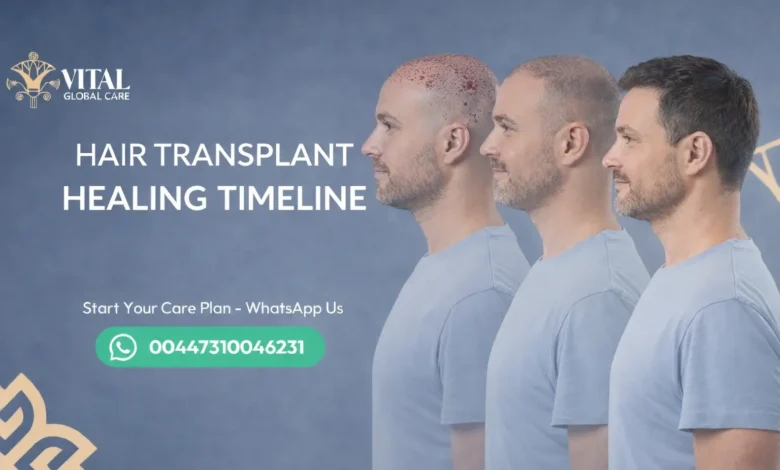
Hair transplant surgery has become one of the most effective solutions for people experiencing hair loss. However, many patients are unsure about what happens after the procedure. Understanding the hair transplant healing timeline is essential because recovery happens in stages, and each phase brings different changes to the scalp and newly transplanted hair. From the first few days of healing to the months when new hair begins to grow, knowing what to expect can help patients stay confident and patient throughout the process.
hair transplant healing timeline
The hair transplant healing timeline refers to the series of recovery stages your scalp goes through after a hair transplant procedure. These stages outline how the scalp heals, how the transplanted follicles settle, and when new hair growth begins. Since hair restoration is not an instant process, understanding this timeline helps patients know what changes to expect from the first day after surgery to several months later.
Typically, the healing process starts with mild redness, swelling, and small scabs forming around the transplanted grafts during the first few days. Within about 7–14 days, these scabs fall off naturally as the scalp heals. After this early phase, many patients experience temporary hair shedding — often called shock loss — which is a normal part of the recovery process.
Over the next few months, the transplanted hair follicles enter a resting phase before gradually producing new hair. Most people start seeing noticeable growth around 3 to 4 months, with fuller results developing between 9 and 12 months.
Understanding the hair transplant healing timeline helps patients stay patient and avoid unnecessary worry during recovery, since each stage is a natural part of the hair restoration journey.
Initial Recovery Period (0-14 Days Post Hair Transplant)
The first two weeks are the most critical stage in the hair transplant healing timeline. During this period, the transplanted grafts are settling into the scalp while the skin begins its natural healing process. Patients may experience mild swelling, redness, tenderness, and small scabs forming around the transplanted follicles. These reactions are normal and usually temporary.
Days 1–3: Immediate Healing Phase
In the first few days after the procedure, the scalp may feel sensitive or tight. Tiny scabs develop around each graft as the body begins healing the micro-incisions made during the transplant. Doctors usually recommend avoiding touching or scratching the scalp to prevent dislodging the grafts.
Patients are also advised to sleep with their head slightly elevated to reduce swelling and to follow gentle washing instructions provided by their surgeon.
Days 4–7: Scab Formation and Reduced Swelling
By the middle of the first week, swelling and redness typically begin to decrease. The small scabs around the transplanted follicles become more noticeable but gradually start to dry out. Most patients can resume light daily activities, although strenuous exercise should still be avoided.
Days 8–14: Scabs Begin to Fall Off
During the second week, the healing process becomes more visible. The scabs naturally fall off while washing the scalp, revealing healed skin underneath. At this point, the transplanted grafts are usually secure in the scalp.
This stage marks an important milestone in the hair transplant healing timeline, as the scalp begins to look more normal and patients can slowly return to their regular routines. Temporary redness may still be present in some cases, but it typically fades over the following weeks.
Read:
Hair Growth Period (1-12 Months After Hair Transplant)
The hair growth phase is one of the most anticipated stages in the hair transplant healing timeline. After the scalp has healed during the first few weeks, the transplanted follicles gradually begin their natural hair growth cycle. This process takes time, and noticeable improvements appear slowly over several months.
Month 1–2: Temporary Shedding (Shock Loss)
During the first couple of months, many patients notice that the transplanted hairs begin to shed. This phase, often called shock loss, is completely normal and part of the healing process. Although the visible hair falls out, the transplanted follicles remain safely implanted in the scalp and enter a resting phase before producing new hair.
Month 3–4: Early Hair Growth
Around the third or fourth month, the first signs of new hair growth usually begin to appear. The new hairs may initially look thin, soft, or uneven, which is completely normal. At this stage, the follicles are becoming active again and starting their natural growth cycle.
Month 5–8: Noticeable Hair Thickening
Between the fifth and eighth months, hair growth becomes more visible. The transplanted hair gradually thickens, becomes darker, and blends better with the existing hair. Many patients start to see clear improvements in hair density during this stage.
Month 9–12: Final Results Begin to Appear
By the ninth to twelfth month, most patients see significant results from their procedure. The transplanted hair continues to mature, becoming stronger and more natural-looking. While some minor improvements may still occur beyond this point, this stage often represents the near-final outcome in the hair transplant healing timeline.
How much a hair transplant costs?
The cost of a hair transplant can vary widely depending on several factors, including the clinic, the surgeon’s experience, the number of grafts required, and the country where the procedure is performed. On average, a hair transplant typically costs between $3,000 and $15,000.
One of the biggest factors affecting the price is the number of grafts needed. Patients with mild hair loss may only require 1,000–1,500 grafts, while those with more advanced hair loss might need 3,000–4,000 grafts or more. Since many clinics charge per graft, the total cost increases with the size of the transplant area.
Factors That Influence Hair Transplant Cost
1. Number of Grafts Needed
The larger the treatment area, the more grafts are required, which increases the overall cost.
2. Hair Transplant Technique
Two common methods are used:
- FUE (Follicular Unit Extraction) – often more expensive because it is more precise and time-consuming.
- FUT (Follicular Unit Transplantation) – usually slightly cheaper but may leave a linear scar.
3. Clinic Location
Hair transplant costs differ greatly by country. For example, procedures in the United States or the UK tend to be more expensive than in countries such as Turkey, where hair transplant tourism is very popular.
4. Surgeon’s Experience and Reputation
Highly experienced surgeons or well-known clinics may charge higher prices, but they often provide better results and safety.
Average Hair Transplant Costs by Region
- United States: $6,000 – $15,000
- United Kingdom: $5,000 – $12,000
- Turkey: $2,000 – $5,000
- Europe: $4,000 – $10,000
Although cost is an important factor, patients should focus on choosing a qualified surgeon and reputable clinic to ensure safe treatment and natural-looking results.
Healing While Vacationing: Recovery Tips in Egypt’s Climate
Many international patients choose Egypt for medical tourism, combining treatment with a relaxing trip. However, recovering in a warm environment requires extra care. Understanding how to manage recovery in a hot climate can help you stay on track with your hair transplant healing timeline while still enjoying your visit.
Protect Your Scalp From Direct Sunlight
Egypt’s climate is known for its strong sun, especially during the summer months. Direct sunlight can irritate the scalp and slow the healing process during the early stages after a hair transplant. For the first couple of weeks, patients should avoid prolonged sun exposure and follow their surgeon’s instructions about when it is safe to wear a loose, protective hat.
Stay Hydrated
Warm weather increases the risk of dehydration, which can affect overall healing. Drinking plenty of water helps your body recover and supports healthy skin and scalp conditions. Staying hydrated is a simple but important step in maintaining a smooth hair transplant healing timeline.
Avoid Excessive Sweating
High temperatures can lead to sweating, which may irritate the scalp during the first days after surgery. Patients should avoid intense physical activity, long walks in the heat, or outdoor activities that may cause excessive sweating until the scalp has properly healed.
Choose Comfortable Indoor Activities
During the first week, it is best to focus on gentle activities such as relaxing at the hotel, enjoying indoor attractions, or taking short, shaded walks. This allows the scalp to recover without unnecessary strain while still making the trip enjoyable.
Follow Post-Procedure Instructions Carefully
Every clinic provides specific aftercare instructions for washing, sleeping, and protecting the transplanted grafts. Following these guidelines carefully is essential, especially when recovering away from home. Proper aftercare ensures the grafts remain secure and that the hair transplant healing timeline progresses smoothly.
Why British Patients Choose Egypt for Hair Transplant Recovery?
In recent years, Egypt has become an increasingly popular destination for medical tourism, especially for patients seeking affordable hair restoration procedures. Many people from the United Kingdom travel abroad not only for the procedure itself but also for a comfortable recovery experience. For those following the hair transplant healing timeline, Egypt offers several advantages that make the recovery period easier and more appealing.
More Affordable Treatment Options
One of the main reasons British patients choose Egypt is the significantly lower cost of treatment. Hair transplant procedures in the UK can be expensive, often costing several thousand pounds. In Egypt, patients can receive high-quality treatment at a fraction of the price while still benefiting from experienced surgeons and modern clinics.
Opportunity to Combine Treatment With Travel
Egypt is a world-famous travel destination known for its rich history, warm weather, and cultural landmarks. Many international patients enjoy the idea of combining a medical procedure with a short vacation. During the early stages of the hair transplant healing timeline, patients can relax, explore indoor attractions, or enjoy a peaceful recovery environment.
Short and Convenient Travel From the UK
Flights from the UK to Egypt are relatively short compared to many other medical tourism destinations. This convenience makes it easier for British patients to travel for treatment and return home once the initial recovery phase is complete.
Growing Reputation in Medical Tourism
Egypt has been steadily building its reputation in the field of medical tourism. Many clinics now cater specifically to international patients, offering packages that may include consultations, accommodation, transportation, and post-procedure care. This level of support can make the recovery process smoother for patients following their hair transplant healing timeline.
Warm Climate for Relaxation
The country’s warm climate and resort-style environments allow patients to rest and recover comfortably after their procedure. A calm and stress-free environment can help support the healing process while patients wait for the next stages of hair growth.
Post-Op Care: Your Journey Back to the UK
For British patients who travel abroad for treatment, proper aftercare is an important part of the hair transplant healing timeline. Once the procedure is completed and the initial recovery phase has begun, patients will eventually prepare for their journey back to the UK. Taking the right precautions during travel can help protect the transplanted grafts and ensure a smooth recovery.
Plan Your Return Flight Carefully
Most clinics recommend waiting 2–5 days after the procedure before flying home. This allows the scalp to stabilize and reduces the risk of irritation during travel. During this time, the transplanted grafts begin to settle into the scalp, which is an important step in the early stages of the hair transplant healing timeline.
Protect the Transplanted Area During Travel
Air travel can involve long hours of sitting, crowded spaces, and limited comfort. Patients should avoid touching or putting pressure on the transplanted area while traveling. If advised by the clinic, wearing a loose-fitting protective hat may help shield the scalp from dust, sunlight, or accidental contact.
Follow Your Washing Routine
Most surgeons provide specific instructions for when and how to wash your hair after the procedure. Even after returning to the UK, it is important to follow these guidelines carefully to keep the scalp clean and support proper healing.
Avoid Physical Strain
After returning home, patients should still avoid intense exercise, heavy lifting, or activities that cause excessive sweating for at least a couple of weeks. These precautions help ensure the grafts remain secure during the early stages of the hair transplant healing timeline.
Stay in Contact With Your Clinic
Many clinics offer remote follow-up consultations through photos or video calls. This allows the medical team to monitor progress and answer questions as your hair transplant recovery continues. Staying in touch with your surgeon can provide reassurance and help ensure the healing process stays on track.
Also read:
FAQ
How long does it take to fully heal after a hair transplant?
The initial healing phase usually takes 10 to 14 days, during which scabs fall off and the scalp begins to return to normal. However, the complete hair transplant healing timeline extends much longer. New hair growth typically starts around 3 to 4 months, with full results appearing between 9 and 12 months after the procedure.
Is swelling normal after a hair transplant?
Yes, mild swelling is common during the first few days after surgery, especially around the forehead and scalp. This is a natural part of the healing process and usually subsides within 3 to 5 days.
When can I wash my hair after a hair transplant?
Most clinics recommend gently washing your hair 48 to 72 hours after the procedure, following specific instructions provided by your surgeon. Proper washing helps remove scabs gradually and supports a healthy scalp during the hair transplant healing timeline.
When can I return to normal activities?
Light daily activities can usually be resumed within a few days. However, intense exercise, swimming, and heavy physical work should typically be avoided for 2 to 3 weeks to protect the newly transplanted grafts.
Will the transplanted hair fall out?
Yes, it is common for transplanted hair to shed within the first 2 to 8 weeks after the procedure. This stage, known as shock loss, is normal. The follicles remain in place and will begin producing new hair in the following months.
When will I see the final results of my hair transplant?
Most patients see significant improvement between 9 and 12 months after the procedure. In some cases, full hair density and final results may take up to 12–15 months, depending on individual healing and hair growth patterns.
Conclusion
Understanding the hair transplant healing timeline helps patients set realistic expectations and feel more confident throughout the recovery process. From the first two weeks of initial healing to the gradual hair growth that occurs over several months, each stage plays an important role in achieving natural and long-lasting results.
While the early days after the procedure focus on scalp recovery and protecting the transplanted grafts, the following months bring steady progress as new hair begins to grow and thicken. Patience is essential during this journey, since the full outcome of a hair transplant typically becomes visible between 9 and 12 months.
By following proper aftercare instructions, protecting the scalp, and maintaining regular communication with your clinic, patients can support a smooth hair transplant healing timeline and enjoy the long-term benefits of their hair restoration procedure.