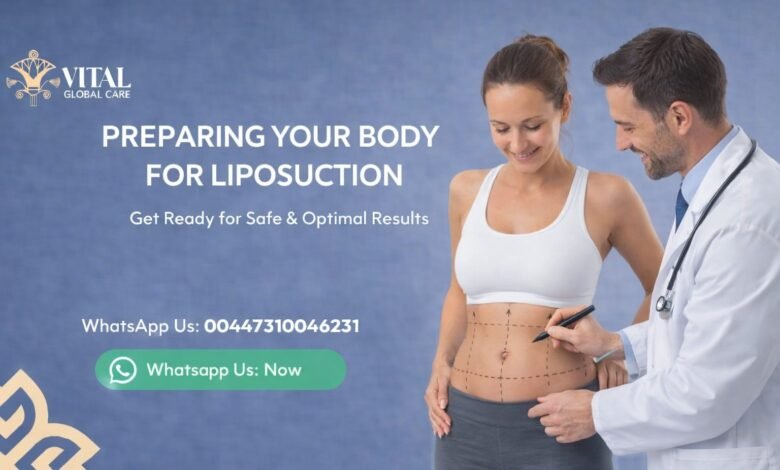
If you’re asking yourself how do I prepare my body for liposuction, you’re already taking the right first step. Proper preparation isn’t just a formality—it can directly impact your safety, recovery, and final results. From optimizing your nutrition to adjusting lifestyle habits and following medical guidelines, preparing your body helps ensure the procedure goes smoothly and your results look as natural and long-lasting as possible. Think of liposuction prep as setting the foundation for a successful transformation, not just a single day in the operating room.
Understanding the liposuction
To fully answer how do I prepare my body for liposuction, it helps to first understand what liposuction actually is—and what it isn’t.
Liposuction is a cosmetic surgical procedure designed to remove stubborn fat deposits that don’t respond well to diet and exercise. Common treatment areas include the abdomen, thighs, hips, arms, back, and chin. During the procedure, a surgeon uses a thin tube (called a cannula) to break up and suction out fat cells from targeted areas.
It’s important to know that liposuction is not a weight-loss solution. Instead, it’s a body-contouring procedure meant for people who are close to their ideal weight but struggle with localized fat. Understanding this helps set realistic expectations, which is a key part of preparing your body—and your mindset—for surgery.
There are also different types of liposuction, such as:
- Traditional (tumescent) liposuction
- Laser-assisted liposuction
- Ultrasound-assisted liposuction
Each method varies slightly in technique and recovery, which is why proper preparation and following your surgeon’s guidance is essential.
Read:
Areas You Can Have Liposuction
When considering how do I prepare my body for liposuction, it’s also important to understand which areas of the body can be treated. Liposuction is highly versatile and can target multiple regions where fat tends to be resistant to diet and exercise.
Common areas you can have liposuction include:
- Abdomen and waist – One of the most popular areas, ideal for reducing belly fat and improving overall contour.
- Hips and flanks (love handles) – Helps create a more defined waistline.
- Thighs (inner and outer) – Can improve leg shape and reduce friction or discomfort.
- Arms – Targets excess fat in the upper arms for a more toned appearance.
- Back and bra line – Smooths bulges that may appear around the bra or lower back.
- Chin and neck – Refines the jawline and reduces the appearance of a double chin.
- Buttocks – Used selectively to improve shape, not volume.
Knowing which areas are treatable helps you prepare your body and expectations before surgery. Your surgeon will evaluate skin elasticity, fat distribution, and overall health to determine the safest and most effective treatment plan.
how do i prepare my body for liposuction?
If you’re seriously asking how do I prepare my body for liposuction, the answer goes beyond scheduling surgery. Proper preparation helps reduce risks, supports smoother healing, and can improve your final results.
Here are the most important steps to prepare your body the right way:
1. Maintain a Stable, Healthy Weight
Liposuction works best when you’re close to your ideal weight. Rapid weight changes before surgery can affect results, so focus on weight stability, not crash dieting.
2. Improve Your Nutrition
Your body needs nutrients to heal. In the weeks before surgery:
- Eat lean proteins to support tissue repair
- Increase fruits and vegetables for vitamins and antioxidants
- Stay well-hydrated
Avoid excessive salt, sugar, and processed foods, which can increase inflammation and swelling.
3. Stop Smoking and Nicotine Use
Smoking restricts blood flow and slows healing. Most surgeons recommend stopping at least 2–4 weeks before liposuction. This is one of the most critical steps when preparing your body for surgery.
4. Avoid Certain Medications and Supplements
Blood-thinning medications and supplements (like aspirin, ibuprofen, vitamin E, or herbal products) may increase bleeding. Always follow your surgeon’s guidance on what to stop and when.
5. Stay Physically Active (But Don’t Overdo It)
Light exercise before surgery helps circulation and overall fitness, which can aid recovery. Focus on consistency, not intensity.
6. Prepare Mentally and Emotionally
Understanding what liposuction can and cannot do is part of preparation. Realistic expectations reduce stress and help you feel confident going into the procedure.
Preparing your body properly isn’t about perfection—it’s about giving yourself the best conditions for a safe procedure and a smoother recovery.
Also read:
Where will the procedure take place?
When learning how do I prepare my body for liposuction, it’s also important to know where the procedure will be performed, as this can affect both preparation and recovery.
Liposuction is typically done in one of the following settings:
- Accredited surgical center – This is the most common option. These facilities are fully equipped for cosmetic procedures and follow strict safety standards.
- Hospital operating room – Recommended if you’re having a larger-volume liposuction or combining procedures.
- In-office surgical suite – For smaller areas and minimally invasive liposuction, some surgeons perform the procedure in a certified in-office setting.
The location depends on factors such as:
- The amount of fat being removed
- The type of anesthesia used (local vs. general)
- Your overall health
- Your surgeon’s professional recommendation
Knowing where the procedure will take place helps you prepare your body and logistics ahead of time—such as arranging transportation, planning post-procedure care, and understanding the level of monitoring you’ll receive.
Types of Lipo
Understanding the types of lipo available is an important part of learning how do I prepare my body for liposuction, because each method may involve slightly different preparation and recovery guidelines.
Here are the most common types of liposuction:
1. Tumescent Liposuction
This is the most widely used technique. A sterile solution is injected into the treatment area to reduce bleeding and make fat removal easier. It’s known for being safe and effective with a relatively smooth recovery.
2. Laser-Assisted Liposuction
This method uses laser energy to liquefy fat before removal. It may also help stimulate collagen production, which can improve skin tightening in some patients.
3. Ultrasound-Assisted Liposuction (UAL)
UAL uses ultrasound waves to break down fat cells, making them easier to remove. It’s often used for more fibrous areas like the back or male chest.
4. Power-Assisted Liposuction (PAL)
This technique uses a vibrating cannula to help dislodge fat more efficiently. It can reduce surgeon fatigue and may shorten procedure time.
5. VASER Liposuction
A specialized form of ultrasound-assisted liposuction, VASER targets fat while preserving surrounding tissues. It’s commonly chosen for high-definition body contouring.
Knowing which type of liposuction you’re having helps you prepare your body more effectively and follow the correct pre- and post-procedure instructions.
How long will my recovery be?
Recovery time is a common concern when researching how do I prepare my body for liposuction, and while it varies from person to person, there are general timelines you can expect.
For most patients:
- First 2–3 days: Swelling, soreness, and fluid drainage are normal. Rest is essential during this phase.
- 1–2 weeks: Many people can return to desk work or light daily activities, depending on the treated areas.
- 3–4 weeks: Swelling continues to decrease, and light exercise is usually approved by your surgeon.
- 6–12 weeks: Most swelling resolves, and results become more visible.
- 3–6 months: Final results typically settle as the body fully heals.
Your recovery depends on several factors, including:
- The type of liposuction performed
- The number and size of areas treated
- Your overall health and lifestyle habits
- How well you follow post-operative instructions
Preparing your body in advance—by eating well, staying active, and avoiding smoking—can support a smoother and faster recovery process.
Related:
What to buy before liposuction?
Planning ahead is a smart part of learning how do I prepare my body for liposuction. Having the right items at home before your procedure can make recovery more comfortable, reduce stress, and help you focus on healing.
Here’s a helpful checklist of what to buy before liposuction:
1. Compression Garments
Your surgeon will usually recommend a specific compression garment. These help reduce swelling, support healing, and improve final contouring results. It’s best to purchase the exact type and size your surgeon suggests.
2. Comfortable, Loose Clothing
Choose loose-fitting tops, dresses, or elastic-waist pants that are easy to put on and won’t irritate treated areas. Front-button or zip-up clothing is especially helpful.
3. Prescribed Medications
Fill any prescriptions in advance, including pain medication, antibiotics, or anti-nausea meds, so you’re not scrambling after surgery.
4. Over-the-Counter Essentials
Items commonly recommended include:
- Gauze pads and absorbent dressings
- Mild soap for gentle cleansing
- Stool softeners (often needed due to pain medication)
Always confirm with your surgeon before adding anything new.
5. Hydration and Easy Meals
Stock up on water, electrolyte drinks, and light, nutritious foods like soups, smoothies, and protein-rich snacks. Good nutrition supports healing and energy levels.
6. Pillows or Wedges
Extra pillows can help you sleep comfortably and maintain recommended positions, especially if you’re having abdominal or back liposuction.
Being prepared ahead of time allows you to focus fully on recovery and helps your body heal more efficiently after liposuction.
Vitamins to take before liposuction
When thinking about how do I prepare my body for liposuction, vitamins and nutrients play a supportive—but carefully managed—role. The goal is to help your body heal efficiently without increasing bleeding or swelling risks.
⚠️ Always follow your surgeon’s specific instructions. Not all supplements are safe before surgery.
Vitamins That Are Commonly Approved Before Liposuction
Vitamin C
Helps support collagen production, immune function, and wound healing. It’s often recommended in moderate doses before surgery.
Vitamin D
Supports immune health and overall recovery, especially if you’re deficient. Many patients benefit from maintaining healthy vitamin D levels.
Zinc
Plays a role in tissue repair and immune response. Usually safe in low to moderate doses when approved by your surgeon.
Iron (Only If Deficient)
Important for oxygen transport and healing, but should only be taken if prescribed or confirmed by blood work.
Supplements Often Stopped Before Liposuction
Some vitamins and herbal supplements can thin the blood or increase bruising and should usually be stopped 1–2 weeks before surgery, including:
- Vitamin E
- Fish oil / Omega-3s
- Ginkgo biloba
- Garlic supplements
- Turmeric or curcumin
Best Approach to Vitamins Before Surgery
Instead of relying heavily on supplements:
- Focus on whole foods rich in vitamins and minerals
- Maintain good hydration
- Only take supplements your surgeon has approved
Proper vitamin management helps reduce complications and supports smoother healing—an important part of preparing your body for liposuction safely.
Suggested:
FAQ
Is there anything I should avoid eating before liposuction?
Yes. In the weeks leading up to liposuction, it’s best to avoid excessive salt, alcohol, processed foods, and added sugars. These can increase inflammation and swelling. Focus instead on lean protein, fruits, vegetables, and staying well-hydrated.
How far in advance should I prepare my body for liposuction?
Most surgeons recommend starting preparation at least 2–4 weeks before surgery. This allows time to stop smoking, adjust medications or supplements, and improve overall nutrition and fitness.
Do I need to stop exercising before liposuction?
Light to moderate exercise is usually encouraged before surgery, as it supports circulation and overall health. However, intense workouts may be limited closer to your procedure date based on your surgeon’s advice.
Can I drink alcohol before liposuction?
Alcohol should typically be avoided at least one week before surgery, as it can increase bleeding risk and dehydration, which may slow recovery.
Will preparing my body improve my liposuction results?
Yes. Proper preparation can reduce complications, support faster healing, and help achieve smoother, more even results. Preparing your body is an essential part of a successful liposuction experience.
Conclusion
Understanding how do I prepare my body for liposuction is just as important as choosing the right surgeon or technique. From learning about the procedure and treatment areas to adjusting your lifestyle, nutrition, and supplements, proper preparation sets the stage for a safer surgery and smoother recovery. When you take the time to prepare both physically and mentally, you give your body the best chance to heal well and achieve natural-looking, long-lasting results. Liposuction is a journey—not just a procedure—and thoughtful preparation is the key to making that journey successful.