Achieving the Final Transformation: The Definitive Guide to Skin Tightening Surgery After Weight Loss

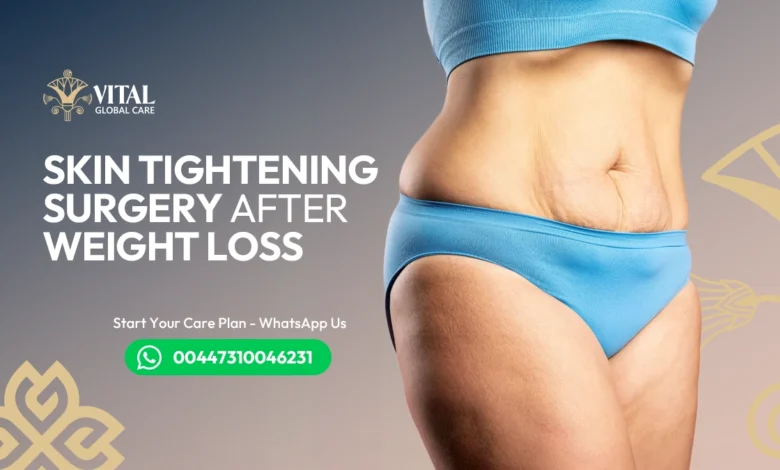
Skin tightening surgery after weight loss isn’t just about appearance—it’s often the final step in feeling fully comfortable in your new body.
You worked hard to lose the weight. But when loose, sagging skin remains, it can feel like your transformation is unfinished. Clothes may not fit right, skin irritation can appear, and confidence doesn’t always match the number on the scale. That’s where post-weight-loss skin tightening surgery comes in.
This procedure is designed to remove excess skin and reshape the body after major weight loss, helping results look firmer, smoother, and more proportional. For many people, it’s not about perfection—it’s about closure, comfort, and finally seeing the reflection they expected after all that effort
What is Post-Weight Loss Surgery?
Post-weight loss surgery refers to a group of body-contouring procedures designed for people who have lost a significant amount of weight—whether through bariatric surgery, medical programs, or lifestyle changes—and are left with excess, loose skin.
When weight is gained, skin stretches. After major weight loss, especially 50–100 pounds or more, the skin often cannot fully shrink back. Post-weight loss surgery addresses this by removing extra skin and reshaping underlying tissues to create a firmer, more natural body contour.
It’s important to understand that this is not a weight‑loss procedure. Instead, it’s a reconstructive and aesthetic step that focuses on:
- Removing hanging or sagging skin
- Improving body shape and proportions
- Reducing skin irritation, rashes, and hygiene issues
- Enhancing comfort in clothing and physical activity
Common areas treated with post-weight loss surgery include the abdomen, arms, thighs, chest, breasts, and face. Many patients choose to have procedures done in stages rather than all at once, depending on their goals and recovery needs.
For many people, post-weight loss surgery is the final chapter of their transformation—helping the outside finally reflect the hard work they’ve already done on the inside.
skin tightening surgery after weight loss
After significant weight loss, the body changes faster than the skin can adapt. Skin tightening surgery focuses on correcting this imbalance by surgically removing excess skin and repositioning remaining tissue for a firmer, smoother appearance.
The procedure works by:
- Making carefully placed incisions in discreet areas
- Removing loose, overstretched skin
- Tightening underlying supportive tissue when needed
- Redraping the skin to match the new body shape
Unlike non-surgical treatments, surgical skin tightening delivers noticeable and long-lasting results, especially for patients with moderate to severe skin laxity. The exact technique depends on the body area treated and the amount of excess skin present.
While results can be transformative, outcomes depend on factors such as age, skin quality, overall health, and weight stability. This is why surgeons typically recommend reaching and maintaining a stable weight before moving forward.
Read:
Who is affected by excess skin?
Excess skin can affect anyone who experiences significant or rapid changes in body weight, but it is most common after major weight loss. The skin has limited elasticity, and once it has been stretched beyond a certain point, it may not fully retract.
People commonly affected by excess skin include:
- Individuals who have lost a large amount of weight (often 50 pounds or more)
- Patients who underwent bariatric or metabolic surgery
- People who lost weight rapidly through intensive diet or medical programs
- Older adults, as skin elasticity naturally decreases with age
- Individuals with genetic factors that limit skin recoil
Excess skin often appears in areas where fat was stored the longest, such as the abdomen, arms, thighs, chest, breasts, neck, and lower back. Beyond cosmetic concerns, it can lead to physical discomfort, including chafing, rashes, infections, and difficulty exercising or finding properly fitting clothes.
For many, excess skin is not a sign of failure—it’s evidence of success. Addressing it through skin tightening surgery after weight loss can be a practical and emotional step toward fully enjoying the results of that transformation.
Why have post-weight loss surgery?
Post-weight-loss surgery is often chosen for reasons that go far beyond appearance. After major weight loss, excess skin can interfere with daily life, physical comfort, and emotional well-being. Surgery helps address problems that weight loss alone cannot resolve.
Common reasons people choose post-weight-loss surgery include:
- Physical comfort: Excess skin can cause chafing, rashes, infections, and persistent irritation, especially in skin folds.
- Improved mobility: Loose skin may restrict movement, making exercise and everyday activities uncomfortable or difficult.
- Better clothing fit: Sagging skin can make it hard to wear fitted clothing, despite significant weight loss.
- Hygiene benefits: Skin folds can trap moisture and bacteria, increasing the risk of odor and skin infections.
- Body confidence: Many patients feel their body does not reflect their hard-earned weight-loss success.
For many individuals, post-weight-loss surgery represents the final step of their transformation. It helps align physical appearance with the effort invested, allowing patients to move forward with greater confidence, comfort, and quality of life.
Also read:
Different types of post weight loss surgery and excess skin removal procedures
Post-weight-loss surgery is not a single procedure; it includes a range of excess skin removal and body-contouring surgeries. The type recommended depends on where loose skin remains, how much is present, and the patient’s overall goals. Procedures are often performed in stages to support safer recovery and better results.
Abdominoplasty (Tummy Tuck)
One of the most common procedures after weight loss, abdominoplasty removes excess skin and fat from the abdomen. In many cases, weakened or separated abdominal muscles are also tightened to improve core strength and contour.
Panniculectomy
A panniculectomy focuses on removing a large overhanging apron of skin (pannus) from the lower abdomen. Unlike a tummy tuck, it is primarily functional rather than cosmetic and may be recommended when excess skin causes chronic rashes or infections.
Arm Lift (Brachioplasty)
An arm lift removes loose skin from the upper arms, an area that often develops a “bat-wing” appearance after weight loss. This procedure improves arm contour and comfort when wearing short sleeves or fitted clothing.
Thigh Lift
A thigh lift addresses sagging skin on the inner or outer thighs. It helps reduce friction, improve leg shape, and increase comfort during walking or exercise.
Body Lift (Lower or Upper)
A body lift targets multiple areas at once. A lower body lift typically treats the abdomen, hips, buttocks, and thighs, while an upper body lift may address the chest, back, and arms. This option is often chosen after massive weight loss.
Breast Lift or Reduction
Significant weight loss can cause breasts to sag or lose volume. A breast lift reshapes and repositions the breasts, while a reduction removes excess tissue for improved comfort and proportion.
Chest Contouring (for Men)
Men who lose large amounts of weight may experience excess skin on the chest. Chest contouring surgery removes loose skin and reshapes the area for a flatter, more masculine appearance.
Neck and Face Lift
Weight loss can also affect the face and neck, leading to sagging skin or a hollow appearance. These procedures refine facial contours and restore a more balanced look.
Each procedure is customized to the individual. A qualified plastic surgeon will evaluate skin quality, health status, and weight stability to determine the safest and most effective surgical plan.
What does post-weight loss surgery involve?
Post-weight-loss surgery involves a carefully planned process that goes beyond the operation itself. It is a combination of medical evaluation, surgical treatment, and structured recovery, all tailored to the individual patient.
Pre-Surgical Evaluation
Before surgery, patients typically undergo a thorough assessment, which may include:
- Review of weight-loss history and weight stability
- Physical examination of excess skin and tissue
- Medical clearance and lab testing
- Discussion of goals, expectations, and realistic outcomes
Most surgeons require patients to maintain a stable weight for several months to ensure long-lasting results and safer healing.
The Surgical Procedure
During surgery, the surgeon:
- Creates precise incisions based on the area being treated
- Removes excess skin and, when appropriate, remaining fat
- Tightens underlying tissues to improve support and contour
- Repositions and closes the skin carefully to minimize tension and scarring
Procedures may be performed individually or in stages, depending on how many areas require treatment and the patient’s overall health.
Recovery and Healing
Recovery varies by procedure, but commonly involves:
- Temporary swelling, bruising, and discomfort
- Use of compression garments to reduce swelling and support healing
- Activity restrictions for several weeks
- Follow-up appointments to monitor progress
Full recovery can take several weeks to months, with scars gradually fading over time.
Long-Term Results
When combined with healthy lifestyle habits and stable weight, post-weight-loss surgery can provide lasting improvements in comfort, mobility, and body contour. While scars are permanent, most patients feel the physical and emotional benefits far outweigh them.
What is excess skin removal surgery?
Excess skin removal surgery is a surgical procedure designed to remove loose, overstretched skin that remains after significant weight loss, pregnancy, or major body changes. It focuses on eliminating skin that no longer has the elasticity to retract on its own.
This type of surgery is commonly part of post-weight-loss surgery but can also be performed independently when excess skin causes physical discomfort or functional problems.
Excess skin removal surgery typically aims to:
- Remove hanging or sagging skin
- Reduce chronic irritation, rashes, and infections in skin folds
- Improve comfort during movement and exercise
- Create smoother, more proportionate body contours
Depending on the area treated, the procedure may involve the abdomen, arms, thighs, chest, back, breasts, neck, or face. While some procedures focus mainly on function (such as panniculectomy), others combine functional and aesthetic benefits.
It’s important to note that excess skin removal surgery is not intended for weight loss. Instead, it addresses the physical consequences of weight loss by reshaping the body to better match its new size.
When performed by a qualified surgeon and combined with stable weight and healthy habits, excess skin removal surgery can significantly improve both physical comfort and quality of life.
Why do people have excess skin removal surgery?
People choose excess skin removal surgery for a combination of physical, functional, and emotional reasons. After significant weight loss or major body changes, excess skin often creates challenges that do not improve with time, exercise, or skin care treatments.
Common reasons include:
- Physical discomfort: Excess skin can rub together, leading to chafing, pain, rashes, and recurrent skin infections.
- Hygiene concerns: Skin folds may trap moisture and bacteria, increasing the risk of irritation, odor, and fungal infections.
- Restricted movement: Hanging skin can interfere with walking, running, exercising, or daily activities.
- Clothing difficulties: Many people struggle to find clothes that fit properly or feel comfortable despite major weight loss.
- Emotional well-being: Excess skin can affect body image, confidence, and the ability to fully appreciate weight-loss success.
- Medical necessity: In some cases, surgery is recommended to address chronic skin conditions that do not respond to non-surgical treatment.
For many patients, excess skin removal surgery is not about achieving a perfect appearance. It is about improving comfort, restoring function, and allowing the body to reflect the healthier life they have worked hard to achieve.
What operations can be performed in addition to liposuction of the love handles?
Liposuction of the love handles is often combined with other procedures to achieve more balanced, comprehensive body contouring—especially after weight loss. Combining surgeries can enhance overall results, reduce the need for multiple recoveries, and create smoother transitions between treated areas.
Common procedures performed in addition to love-handle liposuction include:
Abdominoplasty (Tummy Tuck)
A tummy tuck is frequently combined with flank (love handle) liposuction to remove excess abdominal skin and tighten underlying muscles. This combination improves waist definition and creates a flatter, more contoured midsection.
Panniculectomy
For patients with a significant overhanging abdominal pannus, a panniculectomy may be performed alongside liposuction to remove excess skin that liposuction alone cannot address.
Lower Body Lift
A lower body lift treats the abdomen, hips, buttocks, and outer thighs in one procedure. When paired with love-handle liposuction, it provides dramatic circumferential contouring after massive weight loss.
Thigh Lift
Inner or outer thigh lift surgery can complement flank liposuction by smoothing the transition from the waist to the legs, particularly when excess thigh skin is present.
Back Lift
A back lift targets loose skin and fat in the upper or lower back. This is often combined with love-handle liposuction to improve contour across the entire torso.
Arm Lift (Brachioplasty)
Although not adjacent anatomically, an arm lift is sometimes performed during the same surgical stage to address excess upper-arm skin, helping create proportional upper-body results.
Fat Transfer (Body Contouring)
In some cases, fat removed during liposuction can be purified and transferred to areas such as the buttocks or hips to improve shape and balance.
The decision to combine procedures depends on overall health, surgical time limits, recovery capacity, and aesthetic goals. A qualified plastic surgeon will create a personalized plan to ensure safety while maximizing results.
Who is a candidate for excess skin removal surgery?
A good candidate for excess skin removal surgery is someone who has achieved significant weight loss or experienced major body changes and is left with loose skin that does not improve on its own. Candidacy is based on health, lifestyle stability, and realistic expectations—not just appearance.
Ideal candidates typically include people who:
- Have lost a substantial amount of weight and maintained a stable weight for several months
- Are in good overall physical health, with no uncontrolled medical conditions
- Do not smoke, or are willing to stop smoking before and after surgery
- Experience physical issues such as rashes, irritation, or limited mobility due to excess skin
- Feel excess skin interferes with daily life, exercise, or clothing fit
- Have realistic expectations about results, scarring, and recovery
Candidates are often individuals who lost weight through bariatric surgery, medical weight-loss programs, or long-term lifestyle changes. Age alone is not a disqualifying factor; skin quality, healing capacity, and general health are more important considerations.
A consultation with a qualified plastic surgeon is essential to determine candidacy. During this evaluation, the surgeon will assess skin laxity, medical history, weight stability, and personal goals to create a safe and effective treatment plan.
What are the types of excess skin removal procedures?
Excess skin removal procedures vary based on the area of the body affected and the amount of loose skin present. These surgeries are often customized and may be performed individually or in combination as part of a post-weight-loss body contouring plan.
Abdominoplasty (Tummy Tuck)
Removes excess skin and fat from the abdomen and may tighten weakened abdominal muscles. It is commonly chosen after significant weight loss or pregnancy.
Panniculectomy
Focuses on removing a large overhanging apron of skin from the lower abdomen. This procedure is primarily functional and often performed to relieve chronic skin irritation or infections.
Arm Lift (Brachioplasty)
Targets loose, hanging skin of the upper arms. It improves arm contour and reduces discomfort caused by skin rubbing or movement.
Thigh Lift
Removes excess skin from the inner or outer thighs to reduce friction, improve leg shape, and increase comfort during physical activity.
Lower Body Lift
Addresses excess skin around the abdomen, hips, buttocks, and thighs in a single procedure. It is commonly recommended after massive weight loss.
Upper Body Lift
Targets loose skin of the upper back, chest, and arms. This procedure is often combined with breast or chest contouring.
Breast Lift or Reduction
Removes excess skin and reshapes the breasts after weight loss. A reduction also removes additional tissue for improved comfort and proportion.
Male Chest Contouring
Removes loose skin and excess tissue from the chest to create a flatter, firmer appearance in men after major weight loss.
Back Lift
Eliminates sagging skin and fat along the upper or lower back, improving contour and smoothing bra-line or lower-back folds.
Neck and Face Lift
Addresses loose skin in the neck and facial area caused by weight loss or aging, restoring firmer and more defined contours.
Each procedure serves a specific purpose. A qualified plastic surgeon will evaluate skin laxity, health status, and aesthetic goals to recommend the most appropriate approach.
Risks / Benefits
Like any surgical procedure, post-weight-loss surgery and excess skin removal involve both benefits and risks. Understanding both sides helps patients make informed, confident decisions.
Benefits
- Improved physical comfort: Reduces chafing, rashes, infections, and irritation caused by skin folds.
- Better mobility: Makes walking, exercising, and daily activities easier and more comfortable.
- Enhanced body contour: Creates a firmer, more proportional shape after weight loss.
- Improved hygiene: Decreases moisture and bacteria trapped in skin folds.
- Clothing fit: Allows clothes to fit more naturally and comfortably.
- Psychological well-being: Many patients experience increased confidence and satisfaction with their body after surgery.
Risks
- Scarring: All skin removal procedures result in permanent scars, though they typically fade over time.
- Infection: As with any surgery, there is a risk of infection during healing.
- Bleeding or fluid buildup: Some patients may experience bleeding, hematoma, or seroma formation.
- Delayed wound healing: More common in smokers, individuals with diabetes, or those with poor circulation.
- Changes in sensation: Temporary or permanent numbness can occur near incision sites.
- Anesthesia risks: Reactions to anesthesia, though uncommon, are possible.
- Need for revision surgery: In some cases, additional procedures may be required for optimal results.
A qualified plastic surgeon minimizes risks through careful patient selection, surgical planning, and post-operative care. For most appropriately selected patients, the benefits of excess skin removal surgery significantly outweigh the potential risks.
Suggested:
FAQ
How long should I wait after weight loss before having surgery?
Most surgeons recommend waiting until your weight has been stable for at least 6 to 12 months. Weight stability helps ensure safer surgery, better healing, and longer-lasting results.
Is post-weight-loss surgery painful?
Some discomfort, swelling, and tightness are normal after surgery, but pain is usually manageable with prescribed medication and proper aftercare. Discomfort improves gradually during recovery.
Will I have scars after excess skin removal surgery?
Yes. All excess skin removal procedures result in permanent scars. However, surgeons place incisions strategically, and scars typically fade and soften over time.
Can multiple procedures be done at the same time?
In many cases, yes. Procedures are often combined to improve overall results and reduce total recovery time. The decision depends on your health, surgical time limits, and safety considerations.
Is excess skin removal surgery covered by insurance?
Coverage varies. Procedures considered medically necessary—such as panniculectomy for chronic rashes or infections—may be partially covered. Cosmetic procedures are usually not covered. Documentation from your physician is often required.
How long is recovery?
Initial recovery typically takes several weeks, but full healing can take several months. Recovery time depends on the type and number of procedures performed.
Are results permanent?
Results are long-lasting as long as you maintain a stable weight and healthy lifestyle. Significant weight changes after surgery can affect outcomes.
Who is not a good candidate for surgery?
Individuals with uncontrolled medical conditions, active smokers unwilling to quit, or those with unrealistic expectations may not be suitable candidates until these issues are addressed.
Conclusion
Skin tightening surgery after weight loss and excess skin removal procedures are often the final, transformative step in a long journey toward better health and self-confidence.
After achieving significant weight loss, addressing loose skin is not about vanity—it is about comfort, function, and allowing the body to reflect the hard work already done.
For the right candidate, post-weight-loss surgery can relieve physical discomfort, improve mobility, enhance hygiene, and restore body proportions.
While these procedures involve recovery time and permanent scarring, many patients feel the benefits—both physical and emotional—far outweigh the challenges.
The most important step is informed decision-making. Consulting with a qualified, experienced plastic surgeon ensures that procedures are tailored to your body, goals, and long-term health.
With realistic expectations, stable weight, and proper care, excess skin removal surgery can provide lasting results and a renewed sense of confidence moving forward.