Understanding Eye Lens Replacement Surgery Cost: A Full Price Breakdown

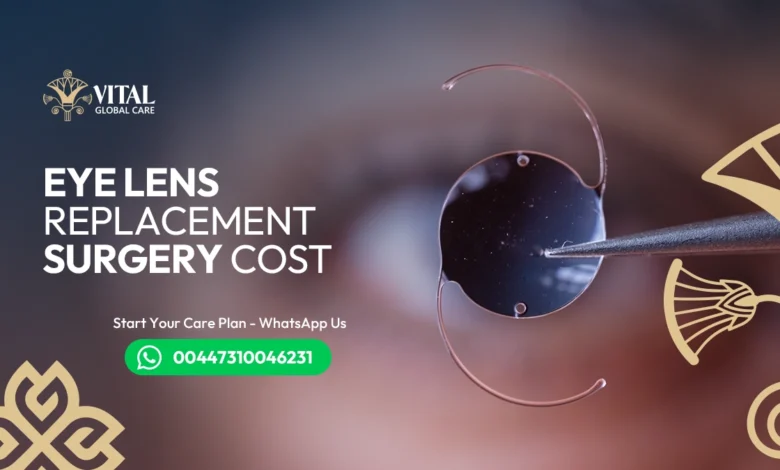
Eye lens replacement surgery cost is one of the most important questions for anyone considering this procedure—especially if laser eye surgery isn’t suitable or no longer effective. Unlike LASIK, this treatment involves replacing the eye’s natural lens, so the pricing can feel more complex and less transparent.
You may see wide price ranges, different lens options, and clinics quoting very different figures. That naturally raises concerns: Why does it cost so much? What affects the price? And what am I actually paying for?
In this article, we’ll break down the true cost of eye lens replacement surgery, what influences the price, what’s usually included, and how to decide whether it’s worth the investment for your vision and long-term eye health.
Who is suitable for refractive lens exchange surgery?
Refractive Lens Exchange (RLE), also known as eye lens replacement surgery, is not designed for everyone—but for the right candidates, it can offer long-term, life-changing vision correction. It is most often recommended when laser eye surgery is unsuitable or unlikely to provide lasting results.
Below are the main groups of people who are typically suitable for refractive lens exchange surgery.
People Over the Age of 40–45
RLE is most commonly recommended for middle-aged and older adults, especially those beginning to experience age-related vision changes.
- Ideal for people with presbyopia (difficulty reading up close)
- Suitable when the eye’s natural lens is starting to lose flexibility
- Helps reduce or eliminate the future need for reading glasses
People With High Farsightedness (Hyperopia)
Individuals with moderate to high farsighted prescriptions often benefit greatly from RLE.
- Laser eye surgery may be less effective or unsuitable
- RLE corrects vision at the lens level rather than the cornea
- Provides more predictable outcomes for higher prescriptions
People Who Are Not Suitable for Laser Eye Surgery
RLE is often recommended for those who have been told they are not good candidates for LASIK or PRK, due to:
- Thin or irregular corneas
- Severe dry eye
- High or complex prescriptions
- Corneal conditions that increase laser risk
Because RLE does not reshape the cornea, these limitations are avoided.
People With Early Lens Changes or Cataract Development
If early cataract changes are present, RLE can be a proactive solution.
- Prevents cataracts from developing later
- Avoids the need for future cataract surgery
- Replaces the aging natural lens with a clear artificial one
People Seeking Long-Term Vision Stability
RLE offers a key advantage: the treated lens will never age again.
- Vision remains stable over time
- No future cataracts
- Reduced likelihood of needing further corrective surgery
This makes it attractive for those seeking a permanent solution.
People With Realistic Expectations
Good candidates understand that:
- Results depend on lens choice (monofocal, multifocal, or extended-depth lenses)
- Some visual compromises (such as mild halos) may occur with certain lens types
- Perfection at all distances cannot be guaranteed
Clear expectations are essential for satisfaction.
Who May Not Be Suitable?
RLE may not be ideal for:
- Very young patients with healthy, flexible lenses
- People with certain retinal conditions
- Those unwilling to accept lens-related visual trade-offs
A detailed eye assessment is always required.
Key Takeaway
Refractive lens exchange surgery is best suited for people over 40, those with high farsightedness, early lens aging, or individuals unsuitable for laser eye surgery. When carefully selected, patients can enjoy clear, stable vision and freedom from future cataracts.
Read:
What is the eye lens replacement surgery?
Eye lens replacement surgery, also known as Refractive Lens Exchange (RLE), is a procedure in which the eye’s natural lens is removed and replaced with an artificial intraocular lens (IOL) to correct vision problems. It is the same technique used in cataract surgery, but performed before a cataract fully develops, mainly for vision correction rather than medical necessity.
Instead of reshaping the cornea like laser eye surgery, eye lens replacement surgery corrects vision from inside the eye, making it a suitable option for people who are not ideal laser candidates.
How Does Eye Lens Replacement Surgery Work?
During the procedure:
- The surgeon removes the eye’s natural lens
- A clear artificial lens is implanted in its place
- The new lens focuses light correctly onto the retina
The surgery is usually performed on one eye at a time and takes around 15–30 minutes. It is done under local anaesthetic, and patients go home the same day.
What Vision Problems Can It Correct?
Eye lens replacement surgery can correct:
- Farsightedness (hyperopia)
- Nearsightedness (myopia)
- Astigmatism (with toric lenses)
- Presbyopia (age-related reading difficulty)
Because the natural lens is replaced, patients also cannot develop cataracts in the future.
Types of Artificial Lenses Used
The type of lens chosen affects both vision outcomes and cost:
- Monofocal lenses – clear vision at one distance
- Multifocal lenses – near, intermediate, and distance vision
- Extended depth of focus (EDOF) lenses – smoother range of vision with fewer visual side effects
Your lifestyle and expectations help determine the best lens option.
How Is It Different From Laser Eye Surgery?
Key differences include:
- Laser eye surgery reshapes the cornea
- Eye lens replacement surgery replaces the lens
- RLE is more suitable for people over 40–45
- Results are more stable long-term
- Cataracts are permanently prevented
This is why eye lens replacement surgery is often recommended when laser eye surgery is unsuitable or unlikely to last.
Key Takeaway
Eye lens replacement surgery is a long-term vision correction solution that replaces the eye’s natural lens with an artificial one. It is especially beneficial for people over 40, those with high prescriptions, or individuals seeking permanent vision stability without future cataracts.
eye lens replacement surgery cost
Eye lens replacement surgery cost typically ranges from £2,500 to £4,500 per eye in the UK, depending on the type of artificial lens used, the clinic, and the level of care included. Because this procedure involves replacing the eye’s natural lens (similar to cataract surgery), it is generally more expensive than laser eye surgery.
For both eyes, the total cost usually falls between £5,000 and £9,000.
Average Cost by Lens Type (UK)
The biggest factor affecting price is the type of intraocular lens (IOL) you choose:
- Monofocal lenses: £2,500–£3,200 per eye
(Clear vision at one distance; glasses may still be needed) - Toric lenses (for astigmatism): £3,000–£3,800 per eye
- Multifocal lenses: £3,500–£4,500 per eye
(Near, intermediate, and distance vision) - EDOF lenses: £3,500–£4,500 per eye
(Smoother range of vision with fewer visual disturbances)
Premium lenses cost more due to advanced technology and more complex surgical planning.
What Affects the Cost of Eye Lens Replacement Surgery?
Several factors influence the final price:
- Lens technology (standard vs premium lenses)
- Surgeon experience and reputation
- Clinic location (London clinics are often higher)
- Pre-operative testing and diagnostics
- Length and quality of aftercare
- Enhancement or adjustment policies
What Is Usually Included in the Price?
Most reputable UK clinics include:
- Comprehensive pre-surgery eye assessments
- The surgical procedure itself
- The artificial lens implant
- Post-operative follow-up appointments
- Initial medications and aftercare support
Always ask for a full written breakdown to avoid hidden costs.
Is Eye Lens Replacement Surgery Worth the Cost?
For suitable candidates—especially people over 40 with presbyopia, high farsightedness, or early lens aging—many consider the cost worthwhile because:
- Results are long-term and stable
- Cataracts are permanently prevented
- Dependence on glasses is significantly reduced
However, it is a more invasive procedure than laser eye surgery, so suitability and expectations are key.
Key Takeaway
When evaluating eye lens replacement surgery cost, focus on value, safety, and long-term outcomes, not just the lowest price. A personalised consultation is the only way to get an accurate quote and determine whether the investment makes sense for your vision and lifestyle.
Benefits Of Lens Replacement Surgery
Eye lens replacement surgery (also known as Refractive Lens Exchange – RLE) offers several long-term benefits, especially for people over 40 or those who are not suitable for laser eye surgery. For the right candidates, it can provide stable, high-quality vision and reduce dependence on glasses for many years.
Long-Term Vision Correction
One of the biggest advantages of lens replacement surgery is its permanence.
- The artificial lens does not age
- Vision remains stable over time
- No regression like with some laser treatments
Once the natural lens is replaced, it cannot develop age-related changes again.
Freedom From Cataracts
Lens replacement surgery completely removes the risk of cataracts.
- The natural lens (which forms cataracts) is removed
- Cataract surgery will never be needed in the future
- Particularly beneficial for people with early lens changes
This makes RLE both a corrective and preventive procedure.
Reduced Dependence on Glasses
Depending on the lens type chosen, many patients achieve:
- Clear distance vision
- Improved intermediate vision (screens, driving)
- Reduced or eliminated need for reading glasses
Multifocal or EDOF lenses are especially helpful for people with presbyopia.
Suitable When Laser Eye Surgery Is Not
Lens replacement surgery is often recommended when laser eye surgery is unsuitable due to:
- Thin or irregular corneas
- Severe dry eye
- High prescriptions
- Age-related lens changes
Because the cornea is not altered, many laser-related limitations are avoided.
Correction of Multiple Vision Problems
Lens replacement surgery can correct:
- Nearsightedness (myopia)
- Farsightedness (hyperopia)
- Astigmatism (with toric lenses)
- Presbyopia
This makes it a versatile solution for complex vision needs.
Predictable and Precise Outcomes
The procedure uses advanced measurements and lens calculations, leading to:
- Highly predictable results
- Consistent visual outcomes
- Lower likelihood of future corrective procedures
For many patients, results are more predictable than corneal laser surgery at older ages.
Improved Quality of Life
Patients often report lifestyle benefits such as:
- Easier reading and screen use
- More comfortable driving, especially at night
- Less reliance on glasses during daily activities
These improvements can significantly enhance day-to-day convenience and confidence.
Key Takeaway
Lens replacement surgery offers permanent, stable vision correction, freedom from cataracts, and reduced dependence on glasses—making it an excellent option for suitable candidates, particularly over the age of 40. As with any surgery, a detailed eye assessment is essential to ensure it’s the right choice for your eyes and expectations.
Also read:
What happens during lens replacement surgery?
Eye lens replacement surgery (Refractive Lens Exchange – RLE) is a well-established, routine procedure that follows a clear, step-by-step process. It is very similar to cataract surgery and is performed with precision, comfort, and safety in mind.
Here’s exactly what happens before, during, and after the procedure.
Before the Surgery
Prior to surgery, you’ll undergo a detailed eye assessment to:
- Measure your eye and lens accurately
- Check overall eye health
- Select the most suitable artificial lens (IOL)
- Plan the surgery for optimal visual results
You’ll receive clear instructions about medications, eating, and eye drops to use before the procedure.
On the Day of Surgery
Lens replacement surgery is usually done as a day procedure, meaning you go home the same day.
- You’ll be awake, but your eye is numbed with local anaesthetic drops
- No general anaesthetic is required
- The procedure typically takes 15–30 minutes per eye
During the Procedure
The surgery itself follows these key steps:
- A very small incision is made in the eye
- The natural lens is gently broken up and removed
- The artificial intraocular lens (IOL) is inserted into the same position
- The incision is self-sealing and usually does not require stitches
The procedure is painless, and most patients feel only mild pressure or light sensations.
After the Surgery
Once the procedure is complete:
- You’ll rest briefly before going home
- Your vision may be blurry at first but often improves within days
- Eye drops are prescribed to prevent infection and inflammation
Most patients return to normal activities within a few days, though full visual stabilisation can take several weeks.
Treating Both Eyes
Lens replacement surgery is usually performed:
- On one eye at a time
- With a short gap (often days or weeks) between eyes
This approach ensures safe healing and accurate visual outcomes.
Follow-Up and Recovery
Post-operative care includes:
- Follow-up appointments to monitor healing
- Gradual vision improvement
- Guidance on when to resume driving, exercise, and work
You’ll be advised to avoid heavy lifting, eye rubbing, and swimming for a short period.
Key Takeaway
Lens replacement surgery is a quick, precise, and highly controlled procedure designed to replace the eye’s natural lens with a clear artificial one. When performed on suitable candidates, it offers long-term vision correction with a smooth and predictable recovery process.
RLE/ Lens replacement surgery recovery times and aftercare
Recovery from Refractive Lens Exchange (RLE)—also known as eye lens replacement surgery—is usually smooth and predictable when aftercare instructions are followed. Because the procedure is similar to cataract surgery, recovery timelines are well established and carefully managed.
Immediate Recovery (First 24–48 Hours)
- Vision may be blurry or hazy immediately after surgery
- Mild discomfort, light sensitivity, or a gritty feeling is normal
- Most patients notice improving vision within the first day
- Eye shields are worn at night to protect the eye while sleeping
You’ll be able to go home the same day, but you must arrange transport.
Short-Term Recovery (First Week)
- Vision continues to stabilise each day
- Most people can return to light daily activities within 2–3 days
- Reading and screen use are usually possible, though breaks are advised
- Avoid eye rubbing, heavy lifting, swimming, and dusty environments
Prescription eye drops are used regularly to prevent infection and inflammation.
Medium-Term Recovery (2–4 Weeks)
- Vision becomes clearer and more consistent
- Many patients are able to drive once legally safe and approved
- Exercise can usually be resumed gradually
- Any mild glare or halos often reduce during this period
Follow-up appointments are scheduled to monitor healing and visual progress.
Full Recovery and Visual Stabilisation (4–8 Weeks)
- Vision reaches its final, stable state
- Brain adaptation to multifocal or EDOF lenses continues
- Most visual side effects, if present, settle significantly
Some patients may take slightly longer to adapt, especially with premium lenses.
Related:
Aftercare Following Lens Replacement Surgery
Proper aftercare is essential for a smooth recovery and optimal results.
Eye Drops and Medications
- Antibiotic drops to prevent infection
- Anti-inflammatory drops to reduce swelling
- Lubricating drops for comfort
These are typically used for 2–4 weeks, following a strict schedule.
Activity Restrictions
For the first few weeks:
- Do not rub your eyes
- Avoid swimming, hot tubs, and saunas
- Avoid heavy lifting and strenuous exercise
- Protect eyes from dust, wind, and bright sunlight
Sunglasses are recommended outdoors.
Follow-Up Appointments
Aftercare usually includes:
- A next-day post-op check
- Additional follow-ups over the following weeks
- Vision checks and healing assessments
These appointments are critical and should not be skipped.
Treating the Second Eye
If both eyes are being treated:
- Surgery is done one eye at a time
- The second eye is usually treated days or weeks after the first
- This allows safe healing and accurate visual adjustment
Key Takeaway
Recovery from RLE / lens replacement surgery is typically quick and manageable, with most patients resuming normal routines within a few days and achieving stable vision within weeks. Careful aftercare, consistent eye drop use, and follow-up visits are essential for the best possible outcome.
What’s included in the price of your lens replacement surgery?
When considering eye lens replacement surgery, understanding what’s included in the price is just as important as the final cost itself. Reputable providers focus on full transparency, ensuring you’re paying for a complete treatment journey—not just the surgery day.
Here’s what is typically included in the price of your lens replacement surgery.
Comprehensive Pre-Operative Assessment
Before surgery, a detailed eye evaluation is carried out to ensure safety and precision. This usually includes:
- Advanced eye measurements and diagnostics
- Lens calculations for accurate visual outcomes
- Full eye health screening
- Discussion of suitable lens options based on your lifestyle and vision needs
This stage is critical and forms the foundation of successful results.
The Surgical Procedure
The price covers the full lens replacement surgery, including:
- Removal of the natural lens
- Implantation of the chosen artificial intraocular lens (IOL)
- Surgeon and clinical team fees
- Use of modern surgical equipment and sterile facilities
The procedure is typically performed as a same-day treatment.
Choice of Artificial Lens
Depending on your package, the cost may include:
- Monofocal lenses
- Toric lenses (for astigmatism)
- Multifocal or EDOF lenses
Premium lenses are often priced higher due to advanced technology and customisation.
Post-Operative Aftercare
Aftercare is a key part of the overall cost and usually includes:
- Follow-up appointments to monitor healing
- Vision checks during recovery
- Ongoing clinical support during the initial recovery period
Quality aftercare plays a major role in long-term outcomes.
Medications and Recovery Support
Most providers include:
- Antibiotic and anti-inflammatory eye drops
- Initial lubricating drops
- Protective eye shields for sleeping
You’ll also receive clear guidance on activity restrictions and recovery timelines.
Treatment of Both Eyes
The quoted price often accounts for:
- Surgery on both eyes (performed separately)
- Monitoring recovery between procedures
- Adjustments to ensure balanced vision
Always confirm whether pricing is per eye or for both eyes combined.
What May Not Be Included
Depending on the provider, the following may be excluded:
- Extended aftercare beyond a defined period
- Additional treatments unrelated to lens replacement
- Optional premium upgrades
- Reading glasses if still required
Key Takeaway
The price of lens replacement surgery usually reflects a complete, end-to-end care package—from assessment and surgery to aftercare and recovery. Always ask for a clear written breakdown so you can compare value, safety, and long-term support, not just the headline price.
Risks Of Lens Replacement Surgery
While lens replacement surgery (Refractive Lens Exchange – RLE) is a safe and well-established procedure, it is still intraocular surgery, which means it carries risks. Understanding these risks helps you make an informed decision and set realistic expectations.
Most complications are rare, especially when surgery is performed on suitable candidates by experienced surgeons.
Common Short-Term Side Effects
These are usually temporary and improve during recovery:
- Blurry or fluctuating vision
- Mild discomfort or irritation
- Light sensitivity
- Dry or gritty feeling in the eye
These effects typically settle within days to weeks with proper aftercare.
Visual Disturbances
Some patients—particularly those with multifocal or EDOF lenses—may experience:
- Halos around lights
- Glare, especially at night
- Reduced contrast sensitivity
In most cases, the brain adapts over time, but mild symptoms can persist for some individuals.
Risk of Infection or Inflammation
As with any surgery involving the inside of the eye:
- Infection (endophthalmitis) is rare but serious
- Inflammation can occur during healing
Strict sterile techniques, antibiotic drops, and follow-up care significantly reduce these risks.
Retinal Risks (Higher in Certain Patients)
Lens replacement surgery slightly increases the risk of:
- Retinal detachment
- Retinal tears
This risk is higher in people with high myopia (strong short-sightedness) or pre-existing retinal issues, which is why careful screening is essential.
Posterior Capsule Opacification (PCO)
Months or years after surgery, some patients develop clouding behind the implanted lens:
- Vision may become hazy
- Easily treated with a quick laser procedure (YAG laser capsulotomy)
PCO is not dangerous and is relatively common.
Permanent Loss of Natural Accommodation
Once the natural lens is removed:
- The eye can no longer naturally change focus
- This is expected and managed with lens selection
Premium lenses help compensate, but natural focusing ability cannot be restored.
Over- or Under-Correction
Although outcomes are usually precise:
- Vision may not be perfectly balanced
- Glasses may still be needed for some tasks
- Further treatment or adjustment may be required in rare cases
Psychological and Expectation-Related Risks
Dissatisfaction can occur if expectations are unrealistic:
- Expecting perfect vision at all distances
- Underestimating adaptation time
- Not fully understanding lens trade-offs
Clear pre-surgery counselling greatly reduces this risk.
Key Takeaway
Lens replacement surgery is highly successful for the right candidates, but it is not risk-free. The most important factors in reducing risk are proper patient selection, advanced diagnostics, experienced surgeons, and strict aftercare.
A detailed consultation is essential to determine whether the benefits outweigh the risks for your eyes and lifestyle.
Recovery Duration & Expectation After Lens Replacement Operation
Recovery after lens replacement surgery (Refractive Lens Exchange – RLE) is generally smooth, gradual, and predictable. While many patients notice vision improvement quickly, it’s important to understand that full visual adaptation takes time, especially with premium lens implants.
Below is a realistic timeline of what to expect.
First 24–48 Hours
- Vision may be blurry, hazy, or fluctuating
- Mild discomfort, grittiness, or light sensitivity is normal
- Most patients notice early vision improvement within the first day
- Eye shields are worn at night to protect the eye
You’ll go home the same day, but driving is not permitted immediately.
First Week
- Vision improves day by day
- Most people return to light daily activities within 2–3 days
- Reading, phone use, and TV are usually possible
- Eye drops must be used exactly as prescribed
During this period, avoid:
- Rubbing your eyes
- Heavy lifting or strenuous exercise
- Swimming, hot tubs, or dusty environments
2–4 Weeks After Surgery
- Vision becomes more stable and consistent
- Many patients are cleared to drive once vision meets legal standards
- Exercise and work routines can usually resume gradually
- Any mild glare or halos often begin to reduce
Follow-up appointments ensure healing is progressing as expected.
4–8 Weeks: Visual Stabilisation
- Vision reaches its final, stable state
- Brain adaptation to multifocal or EDOF lenses continues
- Night vision disturbances usually improve significantly
Some patients—especially those with premium lenses—may take slightly longer to fully adapt.
Long-Term Expectations
- Vision remains stable for years
- Cataracts cannot develop in the treated eye
- Glasses may still be needed for specific tasks, depending on lens type
- Regular eye check-ups are still recommended
Recovery When Treating Both Eyes
Lens replacement surgery is usually performed:
- One eye at a time
- With a short gap between procedures
This ensures safe healing and balanced visual outcomes.
Key Takeaway
Recovery from lens replacement surgery is progressive, not instant. Most patients resume normal life within days, but full visual clarity and adaptation can take several weeks. Following aftercare instructions and attending follow-up appointments are essential for the best long-term results.
How long does eye lens replacement last?
Eye lens replacement surgery—also known as Refractive Lens Exchange (RLE)—is designed to be a permanent, lifelong solution for vision correction.
The Artificial Lens Lasts a Lifetime
The implanted artificial intraocular lens (IOL):
- Is made from durable, biocompatible materials
- Does not wear out, degrade, or need replacing
- Is designed to remain clear and stable for life
Once implanted, the lens stays in place permanently.
Vision Results Are Long-Lasting
Because the eye’s natural lens is completely removed, several age-related issues are eliminated:
- Cataracts cannot develop
- Lens aging no longer affects vision
- Results are generally more stable than laser eye surgery over time
This is why RLE is often recommended for people over 40–45 who want long-term stability.
Can Vision Still Change After Surgery?
While the lens itself lasts forever, some changes can still occur:
- The eye (retina, optic nerve) can be affected by unrelated eye conditions
- Mild prescription changes may occur in rare cases
- Brain adaptation to multifocal or EDOF lenses continues over time
These changes are not due to lens failure.
Will I Ever Need Another Eye Surgery?
Most patients do not need further lens surgery, but:
- Some may develop posterior capsule opacification (PCO), a common clouding behind the lens
- This is easily treated with a quick, painless laser procedure (YAG laser)
The implanted lens itself is not replaced.
How Does This Compare to Laser Eye Surgery?
- Laser eye surgery reshapes the cornea and may regress over time
- Lens replacement surgery replaces the lens entirely
- RLE provides more permanent, age-proof results
This makes lens replacement one of the most durable vision correction options available.
Key Takeaway
Eye lens replacement surgery is intended to last for the rest of your life. The artificial lens does not age or wear out, cataracts are permanently prevented, and vision results are typically stable long-term—making it an excellent option for people seeking a permanent solution.
Contact Us at vital global care
At Vital Global Care, we’re committed to helping you make confident, informed decisions about your eye health. Whether you’re exploring lens replacement surgery, laser eye surgery, costs, recovery, or suitability, our team is here to guide you every step of the way.
How We Can Help
- Answer questions about eye lens replacement surgery and recovery
- Provide clear information on costs and payment plans
- Help you understand whether you’re a suitable candidate
- Support you from your first enquiry through aftercare
Why Choose Vital Global Care?
- Patient-first, honest guidance
- Access to experienced specialists and trusted clinics
- Transparent information with no pressure or hidden details
- Ongoing support before, during, and after treatment
📞 Get in touch with Vital Global Care today to request more information or book a consultation. Your journey to clearer, more comfortable vision starts with the right conversation.
FAQ
Is eye lens replacement the same as cataract surgery?
Yes, the surgical technique is the same. The difference is that refractive lens exchange (RLE) is performed to correct vision before a cataract develops, while cataract surgery is done for medical necessity.
Who is the best candidate for lens replacement surgery?
Lens replacement surgery is best suited for people over 40–45, those with presbyopia, high farsightedness, early lens changes, or people who are not suitable for laser eye surgery.
Will I still need glasses after lens replacement surgery?
That depends on the type of lens used.
- Monofocal lenses: glasses may still be needed for reading
- Multifocal or EDOF lenses: many patients reduce or eliminate their need for glasses, though perfect vision at all distances cannot be guaranteed
Is lens replacement surgery safe?
Yes, it is a well-established and widely performed procedure. However, as with any eye surgery, there are risks, which is why careful screening and experienced surgeons are essential.
How long is the recovery time?
Most patients return to normal activities within a few days, but full visual stabilisation can take 4–8 weeks, especially with premium lenses.
Can cataracts come back after lens replacement surgery?
No. Because the natural lens is removed, cataracts cannot develop in the treated eye.
Is eye lens replacement surgery painful?
No. The procedure is performed under local anaesthetic eye drops. Patients usually feel only mild pressure or light sensations, not pain.
How much does eye lens replacement surgery cost?
In the UK, eye lens replacement surgery typically costs £2,500–£4,500 per eye, depending on the type of lens, clinic, and level of aftercare included.
Are payment plans available?
Yes. Many providers, including Vital Global Care, offer flexible payment plans to help spread the cost over manageable monthly instalments.
Conclusion
Eye lens replacement surgery is a long-term, permanent vision correction solution designed for people seeking stability, clarity, and freedom from age-related vision changes. By replacing the eye’s natural lens with a high-quality artificial one, the procedure not only improves vision but also eliminates the possibility of future cataracts.
For the right candidates—particularly those over 40, people with presbyopia, or individuals unsuitable for laser eye surgery—lens replacement surgery can offer predictable results and lasting benefits. However, it is still a surgical procedure, which means proper screening, realistic expectations, and expert care are essential.
Understanding how long the results last, what recovery involves, and the potential risks allows you to make a confident, informed decision. When approached carefully and with professional guidance, eye lens replacement surgery can be a valuable investment in long-term eye health and quality of life.