Travel Checklist: Do I Need Yellow Fever Vaccine for Egypt from UK Residents?

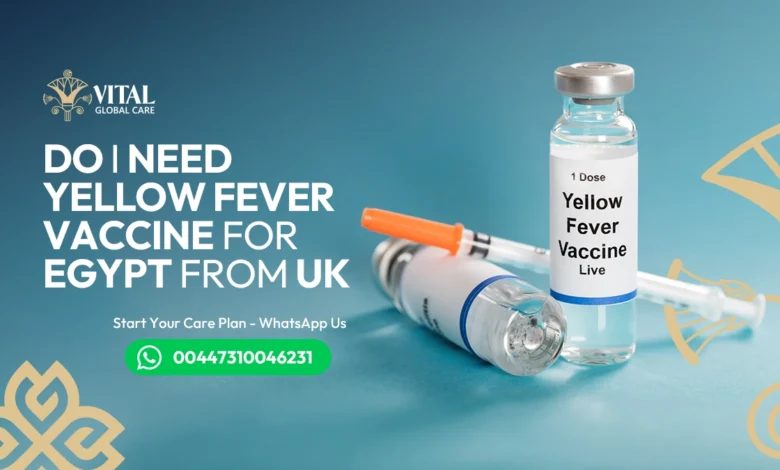
Planning a trip to Egypt from the UK can feel straightforward—until vaccines come up. One question keeps popping up: do i need yellow fever vaccine for egypt from uk? The answer isn’t as obvious as a simple yes or no. It depends on where you’re coming from, where you’ve been recently, and what UK travelers often overlook when checking entry rules. Before you book that Nile cruise or Red Sea escape, here’s the clarity you actually need—without the noise.
Do i need yellow fever vaccine for egypt from uk?
- No, you do not need a yellow fever vaccine for Egypt if you’re travelling directly from the UK.
- Egypt does not require yellow fever vaccination for UK residents unless you have recently been in a country where yellow fever is present.
- Here’s the detail many travelers miss. If you’ve transited through or stayed in a yellow fever–risk country (even briefly) within the last 6 days before arriving in Egypt, immigration can ask for proof of vaccination. No certificate? Entry may be refused or you could face quarantine.
- For most UK travellers heading straight to Egypt, yellow fever isn’t part of the checklist. Still, it’s wise to double-check your travel route and keep your vaccination record handy.
Required vaccines for Egypt
There are no mandatory vaccines for Egypt for travellers arriving directly from the UK, except in specific situations. That said, health authorities strongly recommend several routine and travel vaccines to reduce avoidable risks.
Most UK travellers are advised to be up to date with:
- Routine UK vaccines (MMR, tetanus, diphtheria, polio)
- Hepatitis A (food and water exposure is the main risk)
- Typhoid (especially if eating outside major hotels)
- Hepatitis B (for longer stays, medical treatment, or close contact)
- Rabies (only for high-risk activities or remote travel)
Yellow fever is only required if you’re arriving from, or transiting through, a yellow fever–risk country.
Bini wa baynak—most issues arise not from missing vaccines, but from assuming “holiday destinations are risk-free.” A quick GP or travel clinic check clears that up fast.
Why do I need a consultation?
You need a travel health consultation because vaccine advice for Egypt isn’t one-size-fits-all. Your route, health history, and plans on the ground can change what’s recommended—even if nothing is “required” on paper.
A consultation helps because it checks:
- Your travel itinerary (stopovers can trigger yellow fever rules)
- Length and style of stay (resorts vs local travel)
- Activities (diving, desert trips, animal contact)
- Personal factors (chronic conditions, pregnancy, immune status)
Here’s the part many overlook: border rules focus on entry, but doctors focus on risk. A short conversation can prevent avoidable illness, wasted vaccines, or being caught without the right certificate.
Think of it as aligning paperwork with real-life exposure—not extra bureaucracy.
Other Egypt travel vaccinations to consider
Beyond the basics, some vaccines may be worth considering for Egypt, depending on how and where you travel. These aren’t mandatory, but they can matter in real-world situations.
- Hepatitis A: Strongly recommended for most travellers due to food and water exposure.
- Typhoid: Sensible if you plan to eat locally, visit smaller towns, or stay longer.
- Hepatitis B: Advised for extended stays, medical treatment abroad, tattoos, or close contact.
- Rabies: Consider if you’ll be around animals, travelling rurally, or staying long term.
- Polio booster: Sometimes advised for adults if your last dose was many years ago.
- Influenza: Useful year-round, especially for crowded transport or cruises.
Think of these as layers of protection. Resorts reduce risk, but day trips, food choices, and unexpected situations can change exposure quickly.
A short consultation helps decide what actually fits your trip—no overdoing it, no gaps.
Health Tips for Travelling to Egypt
Staying healthy in Egypt is mostly about small habits, not big precautions. A few smart choices can prevent the most common travel issues before they start.
- Drink bottled water only (including for brushing teeth)
- Avoid ice and unpeeled fruit unless you trust the source
- Use sunscreen daily—the sun is stronger than it feels
- Wash or sanitise hands often, especially before eating
- Pack basic meds for stomach upsets, dehydration, and pain relief
- Respect heat limits: rest midday, hydrate constantly
Here’s the reality: most travellers don’t get sick from “dangerous diseases,” but from dehydration, sun exposure, or food mishaps. One rushed lunch or skipped water break can ruin days of a trip.
Plan for the climate, not just the sights—and your body will keep up with your itinerary.
Spend like a local in Egypt with vitalglobalcare
- Spending like a local in Egypt isn’t about cutting corners—it’s about making smarter choices that locals already make. That starts with knowing where your money actually needs to go, and where it doesn’t.
- Think transport instead of taxis for short hops. Local eateries over hotel buffets. Pharmacies instead of overpriced hotel clinics. The surprise? These choices don’t just save money—they often give you a more authentic experience.
- This is where Vital Global Care fits in quietly but effectively. With the right travel health cover, you’re free to explore like a local without the constant “what if” in the back of your mind. Minor illnesses, clinic visits, or unexpected care won’t force you into expensive tourist-only options.
- The result is simple: you move with confidence, spend with intention, and experience Egypt the way residents do—prepared, relaxed, and in control.
Where to get yellow fever vaccine in Egypt?
In practice, getting a yellow fever vaccine in Egypt is possible but limited, and it’s not something most travellers should plan to do last minute.
Yellow fever vaccines are usually available only at government-designated fever hospitals or port health authorities, mainly in large cities like Cairo or Alexandria. Access can be restricted, waiting times unpredictable, and certificates may not always be issued in English or in the internationally recognised format.
Here’s the part many travellers don’t expect: Egypt is not a yellow fever–risk country, so local demand is low. That means clinics don’t stock the vaccine the way UK travel centres do.
If you need a yellow fever certificate for onward travel, the safer option is clear—get vaccinated in the UK before you travel, where documentation is standardised and widely accepted.
Bottom line: Egypt isn’t the ideal place to “sort it out later.” Planning ahead avoids stress at borders.
FAQ
Do UK travellers need a yellow fever certificate for Egypt?
No. If you’re travelling directly from the UK, Egypt does not require a yellow fever certificate.
When is yellow fever vaccination required for Egypt?
Only if you arrive from, or transit through, a yellow fever–risk country within the previous 6 days.
Is yellow fever common in Egypt?
No. Egypt is not a yellow fever–risk country, which is why the vaccine isn’t routinely recommended for UK travellers.
Can I get the yellow fever vaccine after arriving in Egypt?
In theory yes, but access is limited and unreliable. It’s far easier and safer to get vaccinated in the UK if needed.
How long before travel should I get vaccines?
Ideally 6–8 weeks before departure. Some vaccines need time to become effective or require multiple doses.
Do I need proof of routine vaccinations to enter Egypt?
No proof is required at the border, but being up to date protects you from avoidable illness during your trip.
Conclusion
If you’re travelling to Egypt from the UK, the key takeaway is simple: yellow fever vaccination is not required unless your journey includes a yellow fever–risk country. For most UK travellers, Egypt’s entry rules are straightforward—but health planning still matters.
Routine vaccines, a few travel-specific precautions, and a short consultation can make the difference between a smooth trip and avoidable stress. Egypt rewards preparation. When you understand the rules, you travel lighter—mentally and physically.
Health isn’t about overthinking. It’s about knowing just enough to move with confidence.